Old Southeast Real Estate Opportunities for Buyers
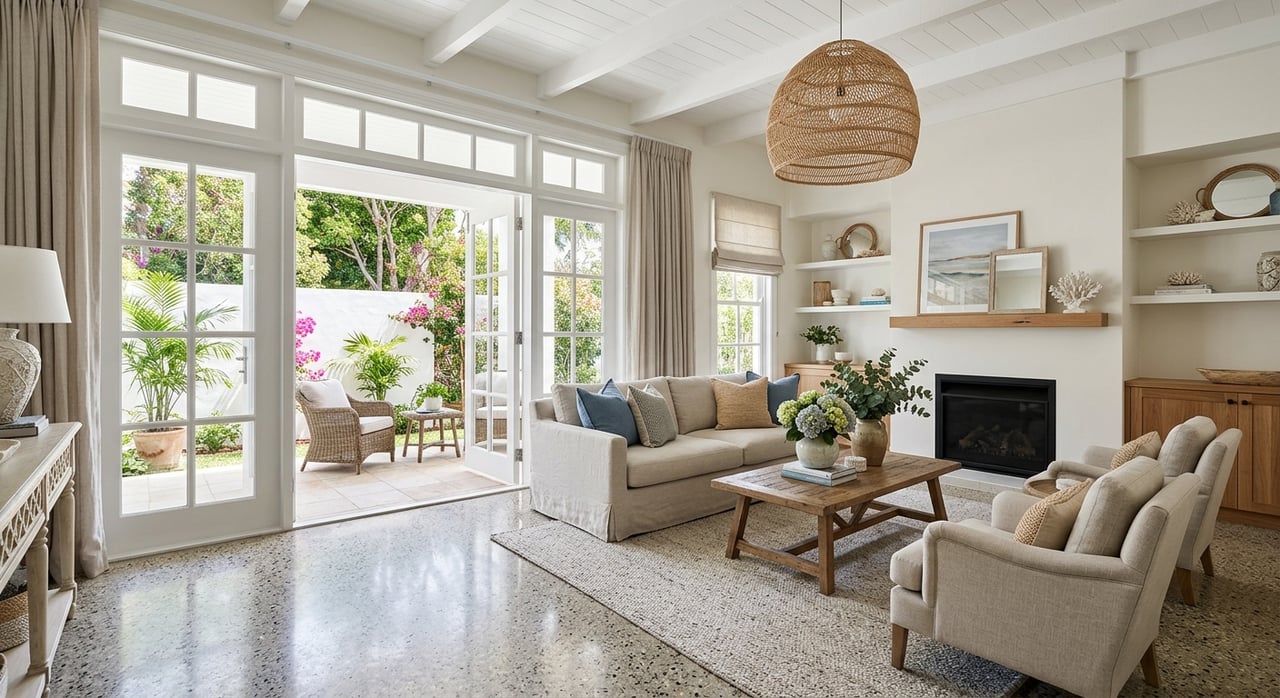
If you are drawn to character homes, bay views, and a close-in St. Petersburg location, Old Southeast probably already has your attention. It is the kind of neighborhood that feels distinct right away, but buying here takes more than falling in love with the streetscape. You need to understand what creates opportunity, what drives pricing, and what kind of due diligence matters most. Let’s dive in.
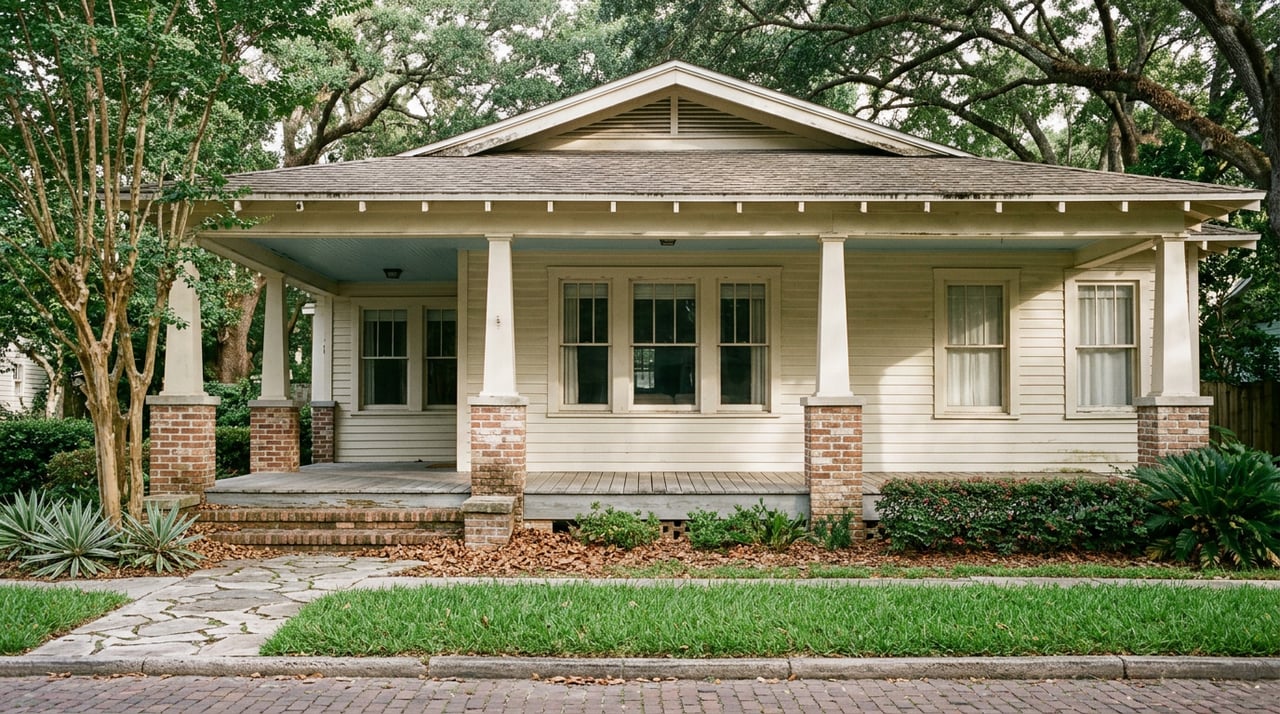
Old Southeast is a small residential neighborhood with about 500 homes, and the neighborhood association says most are single-family residences. Many homes were built from the 1920s through the 1950s, and a number of properties have been renovated or restored over time. The area also includes guest houses and garage apartments behind some main homes, which adds to the neighborhood’s variety and utility.
Its visual identity is part of the appeal. The neighborhood is known for colored hexagon block sidewalks, original brick paving on some streets, and a city-designated hex block preservation district, according to the Old Southeast Neighborhood Association. For many buyers, that kind of established character is hard to replicate in newer communities.
Old Southeast also has a creative side. The neighborhood association notes that an Artist Enclave designation supports resident home studios and community events. If you want a home in a neighborhood with a strong sense of place, that can be part of the draw.
One of Old Southeast’s biggest advantages is where it sits in relation to downtown St. Petersburg. City planning materials have described it as one of the small historic neighborhoods that abut downtown, which helps explain why buyers often see it as a lifestyle location as much as a housing choice. You get a residential setting without feeling far removed from the city core.
That location story may continue to improve over time. City waterfront planning materials have referenced bridge and pathway systems intended to strengthen access between Old Southeast, downtown, and the waterfront. For buyers thinking long term, connectivity matters because it affects day-to-day convenience as well as how a neighborhood functions over time.
Lassing Park is another major part of the lifestyle equation. The park spans 12.5 acres with direct access to Tampa Bay, making it a defining waterfront feature for the neighborhood, according to the Old Southeast Neighborhood Association. Nearby spots like Old Southeast Market and The Chattaway also support the neighborhood’s feel as a close-in residential pocket with everyday convenience.
In Old Southeast, opportunity usually does not mean finding the cheapest home in the area. This is a niche market with limited inventory, and buyers are often paying for location, character, and scarcity as much as square footage. That changes how you should think about value.
As of March 2026, Realtor.com’s Old Southeast market overview showed 14 homes for sale, a median listing price of $797,500, a median price per square foot of $428, and a median days on market of 32. It also reported 8 rentals with a median rent of $2,735 per month.
A Redfin neighborhood snapshot for March 2026 showed a median sale price of $1,052,500, 4 homes sold, and median days on market of 133. Those numbers do not match exactly, but that is normal in a small neighborhood where low sales volume can make market data more sensitive to methodology and timing.
For bigger-picture context, the Tampa-St. Petersburg-Clearwater MSA market report showed a February 2026 median sale price of $602,328 for single-family homes and $297,000 for townhouses and condos. Old Southeast sits above those broader metro price bands, which suggests buyers are placing a premium on the neighborhood’s location, historic housing stock, and limited supply.
Because inventory is limited, the strongest opportunities tend to come from matching the property to your goals. A home that works well for a primary residence may not be the same one that makes sense for a second home or an income-focused purchase. In this neighborhood, fit matters more than chasing a generic deal.
You may see opportunity in a restored home with updated systems, especially if you want charm without taking on a major project. Another buyer may prefer a property with untapped potential, guest-house flexibility, or a layout that can be improved over time. In either case, the key is understanding whether the home’s condition, setting, and ownership costs line up with your long-term plan.
For many buyers, Old Southeast is especially appealing if you value proximity to downtown, a distinctive streetscape, and neighborhood scale more than newer construction or uniform design. If that sounds like your lifestyle, paying a premium may feel justified. If you are focused mostly on maximizing short-term return, the numbers and risk profile need a closer look.
With many homes dating from the 1920s through the 1950s, inspections are critical. Even beautifully updated homes may have a mix of old and new components, and the quality of past work can vary. Buyers should go in expecting to evaluate systems, materials, and any prior renovations carefully.
As you review a property, pay close attention to:
This does not mean older homes are a problem. It simply means the opportunity in Old Southeast often comes from buying with clear eyes and a realistic budget for repairs, updates, or future maintenance.
In a waterfront-oriented neighborhood like Old Southeast, climate resilience cannot be an afterthought. According to Redfin’s climate data for the neighborhood, which uses First Street data, Old Southeast is labeled with Extreme Flood Risk and Extreme Wind Factor. It also states that 96% of properties are likely to be severely affected by flooding over the next 30 years.
That context should shape how you evaluate every property. Elevation, flood insurance, wind coverage, drainage, and mitigation work are core buying considerations here. A home’s purchase price is only part of the true cost of ownership.
The city’s work at Lassing Park reinforces that point. The living shoreline project was launched to stabilize about 700 feet of severely eroding shoreline, showing that erosion and coastal maintenance are active local issues, not abstract concerns. When you buy in Old Southeast, resilience planning belongs in your underwriting from day one.
Old Southeast can catch an investor’s eye because of its bayfront setting, character housing, and limited supply. Those are real demand drivers. Still, an investment purchase here should be tested carefully.
If you are considering a rental strategy, review city rules, any HOA or covenant restrictions, financing requirements, and tax consequences before you buy. You should also pressure-test insurance costs, renovation needs, and your exit strategy. In a niche market, the best-looking property on paper is not always the best-performing one in practice.
Because Old Southeast is small and inventory can move unevenly, preparation matters. Buyers who do best here usually know their priorities before the right listing appears. That helps you move with confidence when an opportunity matches your goals.
A practical approach looks like this:
Old Southeast rewards buyers who balance emotion with discipline. It is easy to love the charm, but the best opportunities usually come from pairing that charm with careful analysis.
If you are thinking about buying in Old Southeast, local guidance can make a big difference in a market this specific. Nanette Counselman helps buyers weigh neighborhood character, property condition, and real-world ownership costs so you can make a confident decision in St. Petersburg’s historic and coastal micro-markets.
Stay up to date on the latest real estate trends.

Looking to buy, sell, or just have a question? I'm always available to help and would love to work with you. Contact me today to start your home searching journey!

NANETTE COUNSELMAN
4293 Pompano Dr SE St. Petersburg FL 33705