Living in St Pete Beach: Daily Rhythm & Home Choices
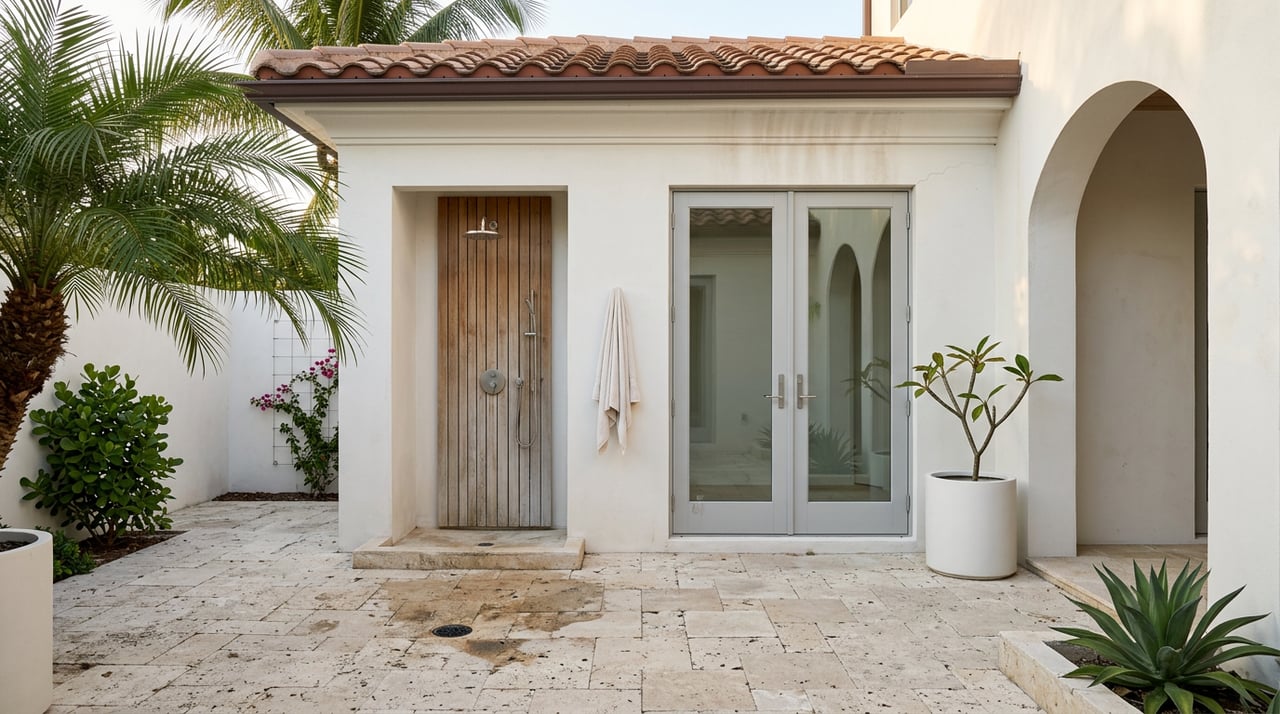
Imagine stepping out your front door to the sound of gentle surf, grabbing a coffee, and starting your day with a beach walk while the sun rises over the bay. If that rhythm sounds like your kind of normal, St. Pete Beach makes it possible. You get a true island community with everyday services and a calendar that still turns around work, errands, and family, not just vacations. In this guide, you’ll see what daily life feels like, how the island’s pockets differ, and which home types fit the way you want to live. Let’s dive in.
St. Pete Beach stretches along a narrow barrier island with Gulf and bay views, which means you are never far from the water. Neighborhood life clusters in walkable pockets like Pass‑a‑Grille on the south end and the Corey Avenue area near the island’s center, both known for easy morning beach walks and patio coffee. The city’s geography and small‑town scale give you a calm start to the day, especially along Pass‑a‑Grille and Upham Beach, where access and parks make early strolls simple. Learn more about the city’s layout and neighborhoods from the St. Pete Beach overview on Wikipedia.
By late morning, life shifts to the water. Swimming, paddleboarding, kayaking, and boating fill many residents’ midday hours. Local businesses offer rentals and tours, and the city has supported paddle‑share options in recent years, as covered by the St. Pete Catalyst. On days when you want a longer outing, locals often plan a half‑day over to county parks and nearby keys, including Fort De Soto, for a change of scenery and nature time.
Sunset is a daily event here. People gather at shoreline vantage points, beach bars, and casual spots to watch the sky change over the Gulf. Pass‑a‑Grille is well known for a friendly, communal sunset moment near the beach, and the island’s visitor guides often highlight that tradition. For a simple way to reach sunset spots without parking worries, you can ride the beach trolley, which is featured on the Visit St. Pete/Clearwater site.
Weekends bring a little more buzz. Corey Avenue hosts a lively street market and seasonal events that turn the core into a walkable hub for browsing, brunch, and live music. Expect a calm, resident‑focused feel on weekday mornings, then a more visitor‑forward energy on weekends and holidays. Check the current schedule and vendor details on the Corey Avenue site before you go.
Everyday life works on the island. You have a full‑service Publix at Dolphin Village on Gulf Blvd, which makes quick grocery runs easy without crossing the bay. You will also find smaller convenience stores, pharmacies, and restaurants dotted along Gulf Blvd and near Corey Avenue. See the Publix location and details via the Dolphin Village store listing.
Many residents use a car for regular errands, but you have solid transit options. The Pinellas Suncoast Transit Authority serves the beaches with trolley lines, and the SunRunner bus rapid transit links the beach corridor to downtown St. Petersburg. If you do not want to drive for a night out, this can be a useful backup. Route maps and schedules are available on the PSTA how‑to‑ride page.
The island is lined with public access points, including dedicated park space at Upham Beach and fishing spots along the bay. Boat ramps and nearby preserves round out a lifestyle that lets you choose a simple afternoon walk, a quick paddle, or a family swim without overplanning.
St. Pete Beach is a small city with a stable, year‑round community. The 2020 Census counted 8,879 residents, and recent estimates show a slight population dip since then. The population skews older, with about 42 percent of residents age 65 and over, and the average household size is small, around 1.7 to 1.8 persons. You can see these figures on the U.S. Census Bureau’s QuickFacts page for St. Pete Beach.
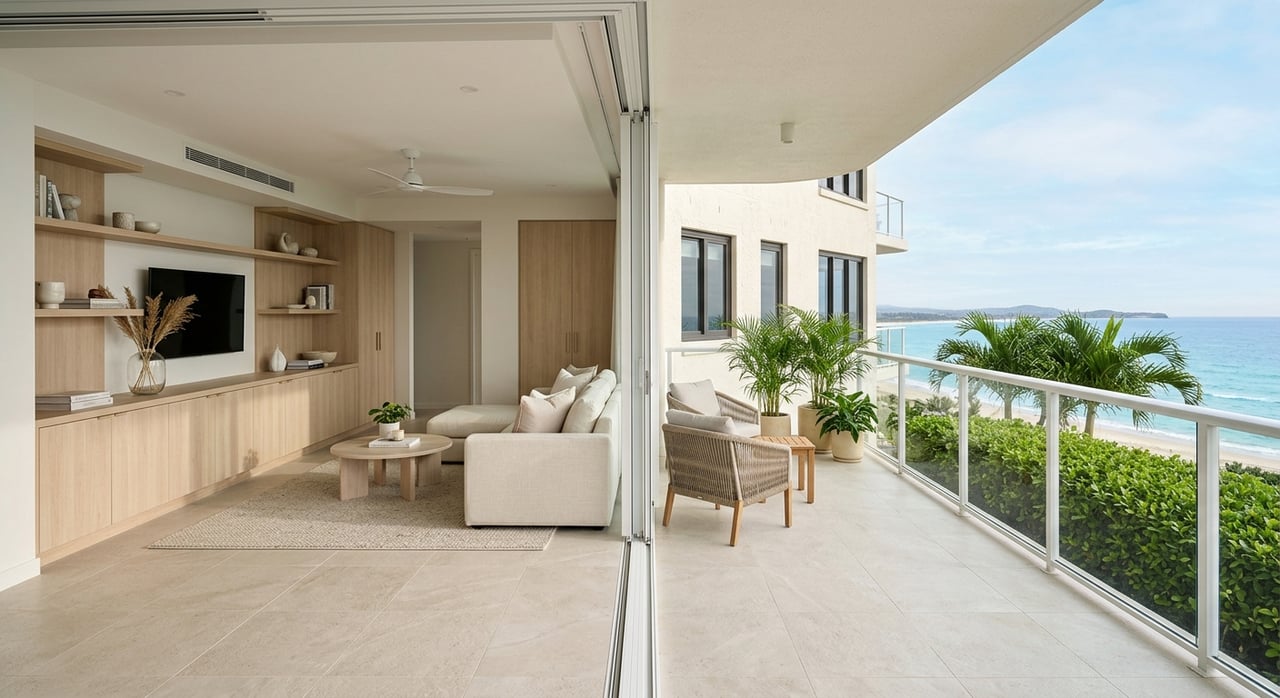
Condos fit a lock‑and‑leave lifestyle. You get immediate beach access, sunset views, and exterior maintenance handled by the HOA. This setup is ideal if you want low yard care, frequent travel, or a seasonal home base. Be mindful of HOA fees, association rules, and insurance needs, including wind and hurricane coverage. Because the island sits in FEMA‑mapped flood zones, it is smart to review the parcel’s flood zone and elevation on the FEMA Flood Map Service Center during your due diligence.
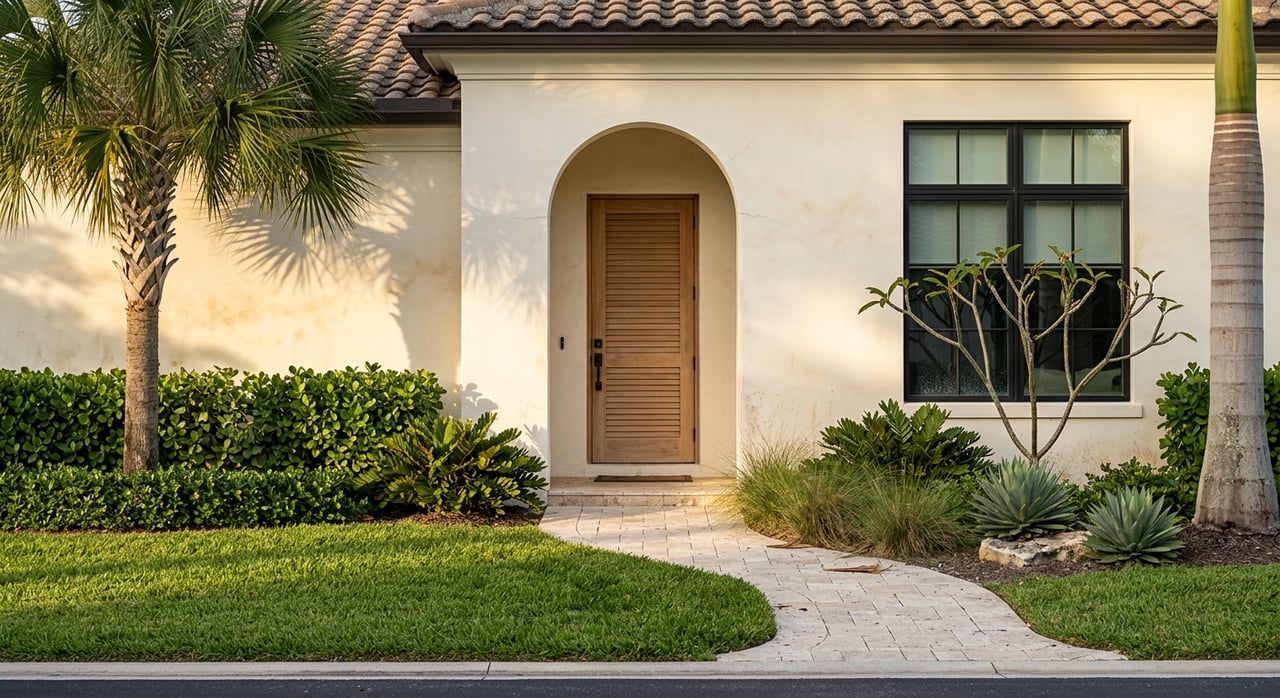
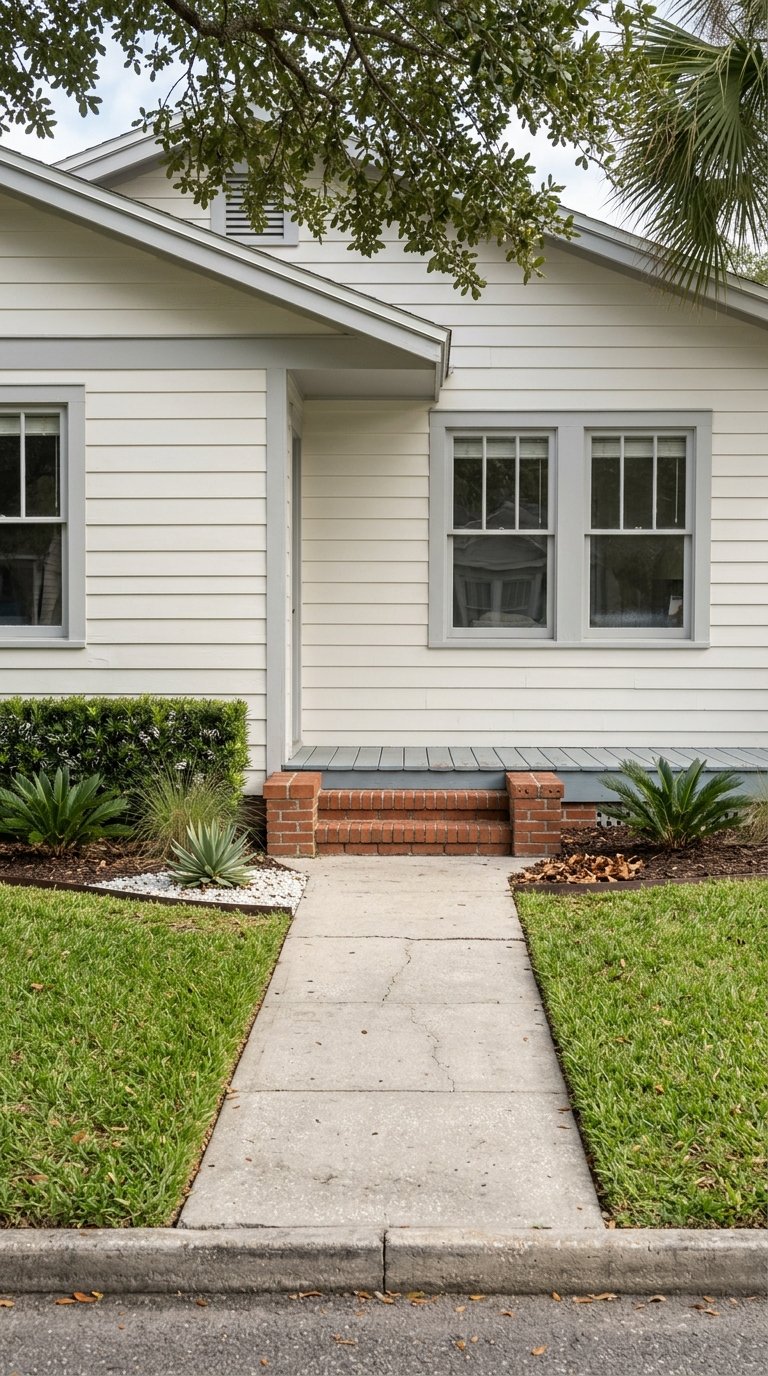
If you crave character and walkability, Pass‑a‑Grille’s historic streets offer both. These low‑rise homes sit close to shops and dining, so you can trade yard space for a front‑porch vibe and a short walk to the sand. The Pass‑a‑Grille page on Wikipedia outlines the area’s unique historic identity and compact street grid.
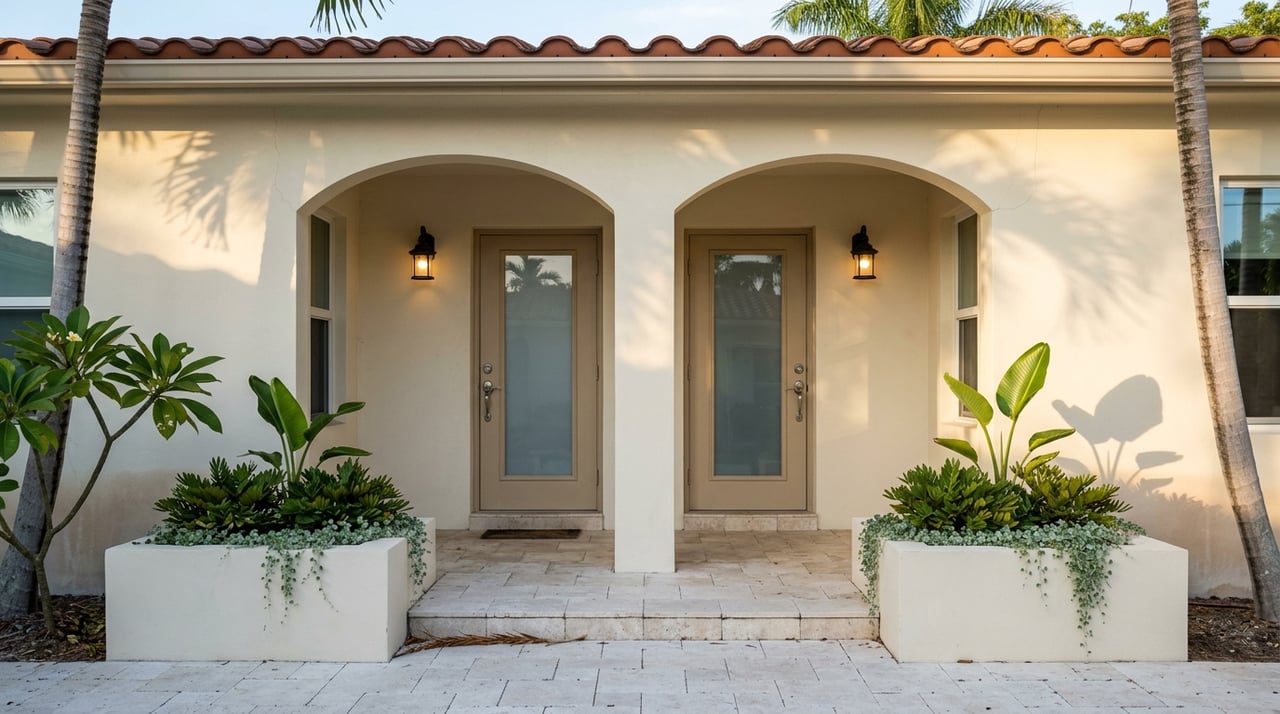
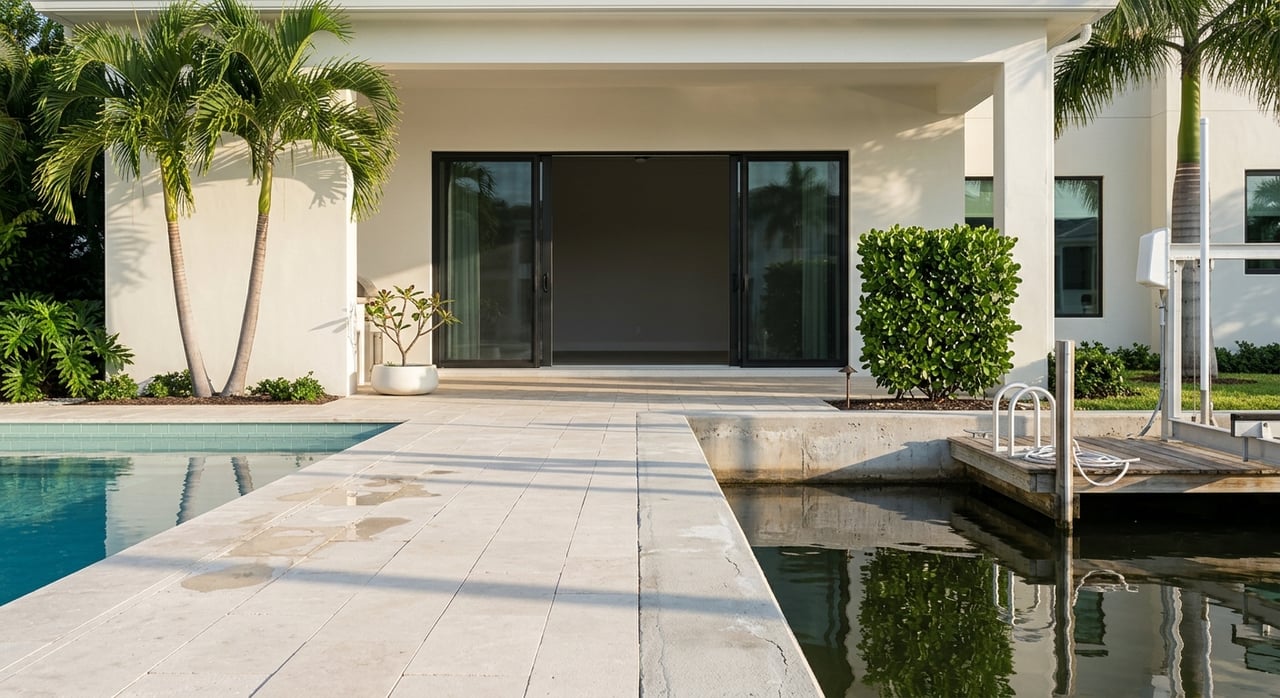
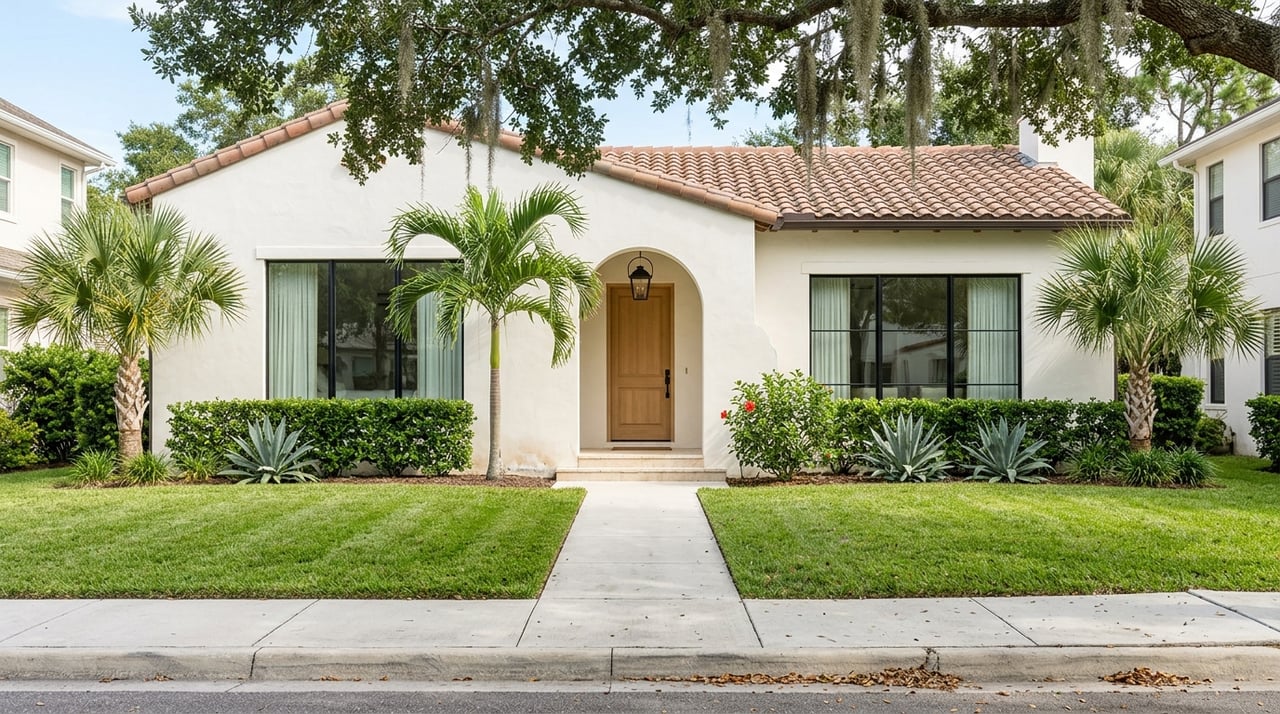
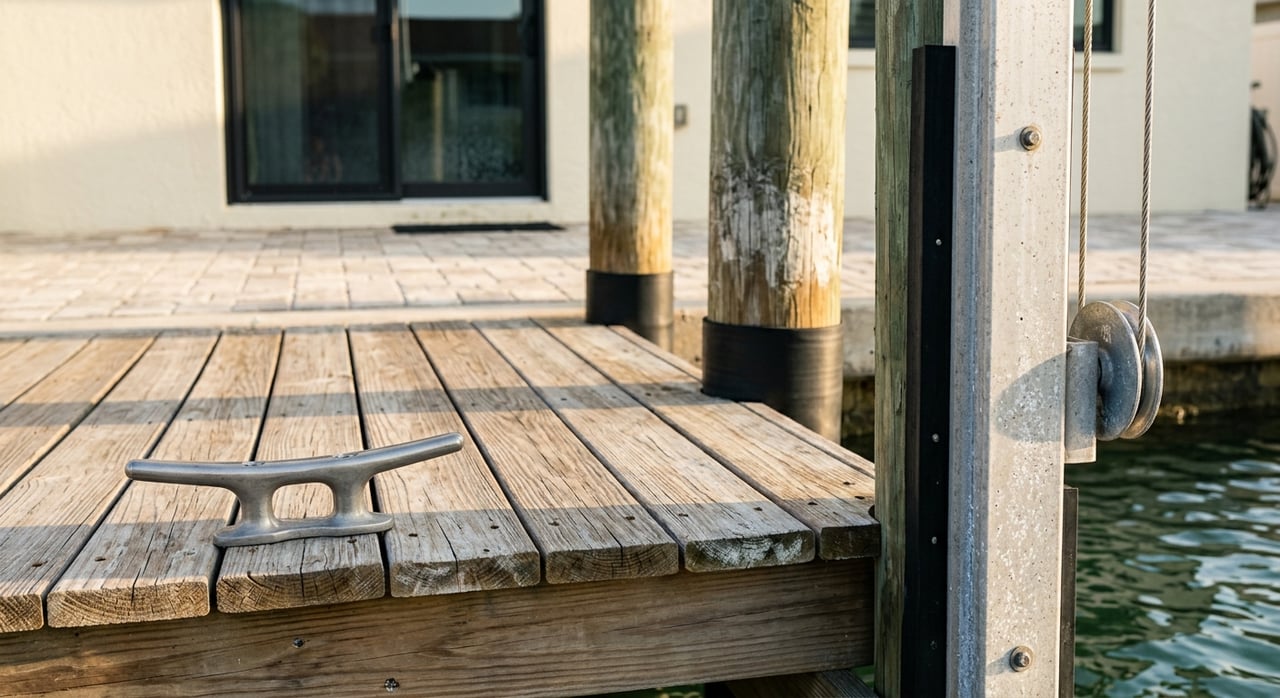
Single‑family homes a bit inland or along the bayside canals give you more interior space, storage, and the option to keep a boat. You will likely drive for errands more often, but you gain a garage, a yard, and room for gear. In a barrier‑island setting, always ask about elevation, seawalls, permits, and storm updates. Confirm the property’s flood zone and insurance eligibility using FEMA’s official maps at the link above.
Near the Don CeSar and other resort corridors, you will find a blend of luxury residences and buildings that lean into a service‑rich lifestyle. Think on‑site dining, spa access, and pools that feel like a boutique hotel. If you want convenience and amenities within steps, this micro‑area is worth a look.
Ready to explore the island with an expert who lives and works the Pinellas coast every day. Nanette Counselman offers full‑service buyer and seller representation, deep neighborhood insight, and a calm, concierge approach to coastal moves. Let’s connect and map your next step.
Stay up to date on the latest real estate trends.
Looking to buy, sell, or just have a question? I'm always available to help and would love to work with you. Contact me today to start your home searching journey!

NANETTE COUNSELMAN
4293 Pompano Dr SE St. Petersburg FL 33705