Inside the Coquina Key Boating Lifestyle
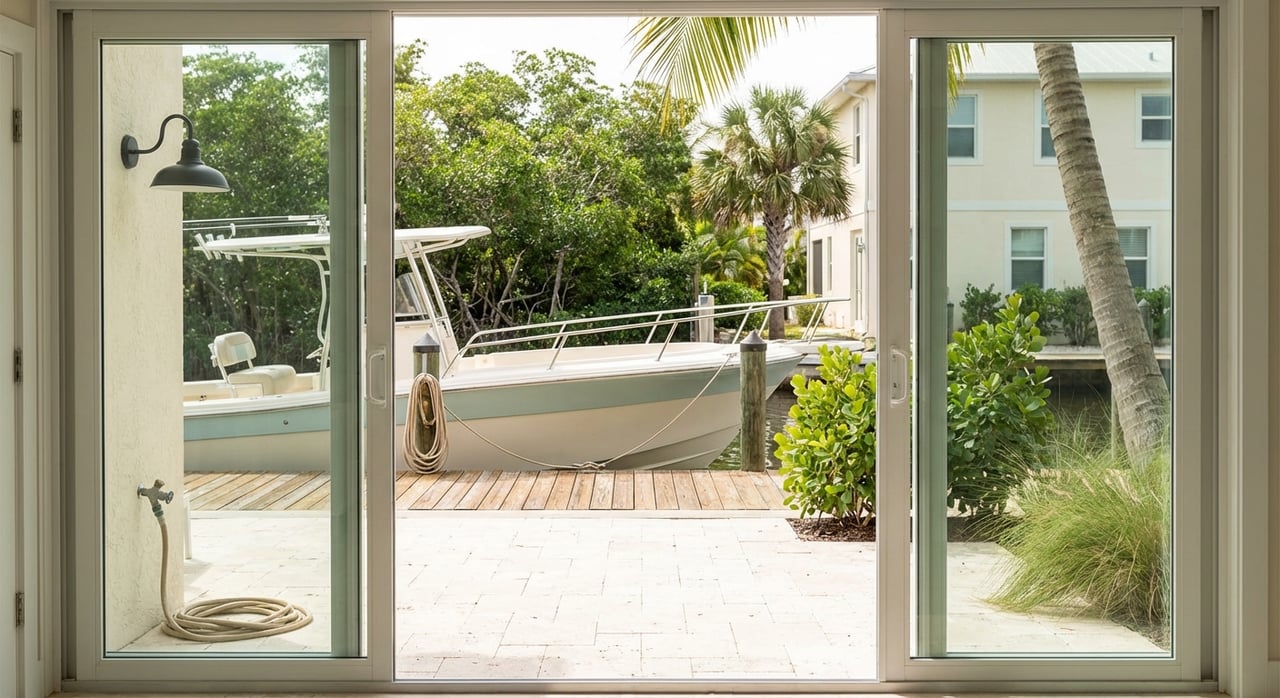
Picture this: you step from your back patio onto your boat, ease into a quiet bayou, and in one smooth ride you are gliding across Boca Ciega Bay toward a sandy island for the afternoon. If that sounds like your kind of day, Coquina Key may fit how you want to live. You want simple access, low-stress outings, and a neighborhood that supports time on the water. Here is what a real boating lifestyle looks like on Coquina Key, from daily routines and favorite routes to the practical checklist you need when buying a waterfront home. Let’s dive in.
Coquina Key is a residential island neighborhood in southeast St. Petersburg known for waterfront lots and direct bay access. Local guides highlight that many homes on the water include private docks, which is the convenience most owners value for day-to-day boating. You can see this lifestyle described in the Coquina Key neighborhood overview.
“Bay access” here means you run out into Boca Ciega Bay and connected waterways, then reach the Gulf through nearby passes. Popular trips include St. Pete Beach, the John’s Pass area near Madeira Beach, and island preserves such as Shell Key and Egmont Key. These runs happen via open bay routes rather than inland rivers and can be quick or leisurely depending on your boat and destination.
On weekdays, you may take short outings right from your dock. Many owners do early fishing passes, paddle a kayak or SUP through quiet mangrove edges, or take a sunset spin around the bay. Coquina Key Park helps make this easy with fishing piers, courts, and hand-launch access for small craft. Get a feel for the amenities at Coquina Key Park.
A classic weekend loop often looks like this: coffee on the patio while you prep the boat, a smooth cruise across Boca Ciega Bay, then anchoring on a shallow sandbar or visiting Shell Key for swimming and shelling. Because it is a protected preserve, you will want to follow posted rules and use designated areas. Learn more about visitor guidance at Shell Key Preserve. If you need fuel or want a meal on the way back, many boaters plan a stop near John’s Pass or Madeira Beach where marinas and waterfront spots cluster.
Coquina Key has an active neighborhood association and a park that supports an outdoor rhythm. Events and community resources keep you in the loop on local rules and helpful contacts. Visit the Coquina Key Neighborhood Association for community updates.
For many owners, the heart of the lifestyle is your own dock. You can launch on your schedule, rinse down at home, and keep gear within steps of your back door. Local descriptions of Coquina Key emphasize that private docks are common along waterfront parcels. Always confirm that a dock is deeded to the property and that recorded rights align with your plans. The checklist below covers how to verify those details.
If you do not have a dock, or if you host friends with trailer boats, there are multiple public ramps a short drive away. Regional listings point to options at or near Coquina Key, Bay Vista Park, and Maximo Park. You can scan ramp locations and features in the Pinellas boat ramps directory. These are useful backup launch points during home renovations, dock repairs, or for guests.
For larger boats or deeper service needs, the marina clusters around Madeira Beach and John’s Pass are key. This is where you find fuel, haul-out, lift service, and long-term slips. You can explore a representative operator in the area, Hubbard’s Marina at John’s Pass, and view NOAA and industry landing listings that identify common marina hubs across the region. For a broader sense of service centers, see NOAA’s for-hire landing locations list.
Compared with some of St. Petersburg’s higher-end gated waterfront enclaves or nearby Tierra Verde, Coquina Key is often described as a more approachable path into waterfront living. You see a mix of older single-family homes and newer infill or townhome builds, which means dock styles and depths vary. Local guides frame it as an attractive choice if you value direct bay access and residential character. For a quick snapshot, review the Coquina Key neighborhood overview.
The main tradeoff is simple: many homes give you immediate dock-out-your-back-door convenience, while the deepest slips and heavy services for larger vessels sit in marina clusters that may be a short run away. If you are moving up to a larger boat, you may choose to keep it at a full-service marina and reserve your home dock for a smaller runabout, fishing skiff, or personal watercraft. Always verify channel depths, tidal windows, and bridge clearances for your vessel.
Use this checklist as you tour homes and review disclosures. It helps you match a property’s waterfront features with how you actually plan to boat.
Boating here is about freedom with respect. Protected areas like Shell Key and nearby mangrove islets have seasonal closures for nesting birds and wildlife. You will see posted zones that direct where you can beach, anchor, and explore. Stay current by checking Shell Key Preserve guidance.
Flood zones and elevation matter for both safety and insurance. Before you buy, verify the parcel’s FEMA flood zone and the base flood elevation using the FEMA Map Service Center. You can reach it via this FEMA MSC portal link. Those details help you understand required coverage and any mitigation steps for the home.
Plan ahead for storm season. The Atlantic hurricane season runs from June 1 through November 30. Build a routine for securing or hauling your boat, confirm removable pier sections or tie-downs, and talk with nearby marinas about their storm procedures. For a quick refresher on dates, check this overview of hurricane season timing in the U.S..
If you want an island neighborhood feel with everyday water access, Coquina Key offers a practical, comfortable way to live by the bay. You get the convenience of private docks on many waterfront lots, easy reach to ramps if needed, and a short run to full-service marinas when your plans call for bigger water or heavier support. Pair that with an active neighborhood culture and you have a lifestyle that favors spontaneous boat days and relaxed weekends.
If you are comparing homes or weighing dock features, let a local guide help you align the property with your boating goals. From verifying dock rights and permits to connecting you with trusted marine contractors, I can help you evaluate the details that matter. Ready to talk through your plan for the water and the home that fits it best? Let’s connect with Nanette Counselman.
Stay up to date on the latest real estate trends.


Looking to buy, sell, or just have a question? I'm always available to help and would love to work with you. Contact me today to start your home searching journey!

NANETTE COUNSELMAN
4293 Pompano Dr SE St. Petersburg FL 33705