Is the charm of Historic Old Northeast calling your name, but you wonder how its iconic architecture affects value and upkeep? You’re not alone. Buyers love the neighborhood’s character, yet each style brings different maintenance realities, insurance needs, and resale signals. In this guide, you’ll learn how to read the architecture so you can budget smartly, renovate wisely, and protect long-term value. Let’s dive in.
Why architecture affects value
In Historic Old Northeast, you benefit from proximity to downtown St. Petersburg, waterfront parks, and tree‑lined streets. That location advantage interacts with style and condition to shape price and stability. Buyers often pay more for authentic period features, while exterior changes may require review in locally designated historic districts.
Before you decide, confirm whether a property sits within a local district and what rules apply. Connect with the City of St. Petersburg Historic Preservation staff, the Old Northeast Neighborhood Association, and the Pinellas County Property Appraiser for records and boundaries.
Craftsman/Bungalow basics
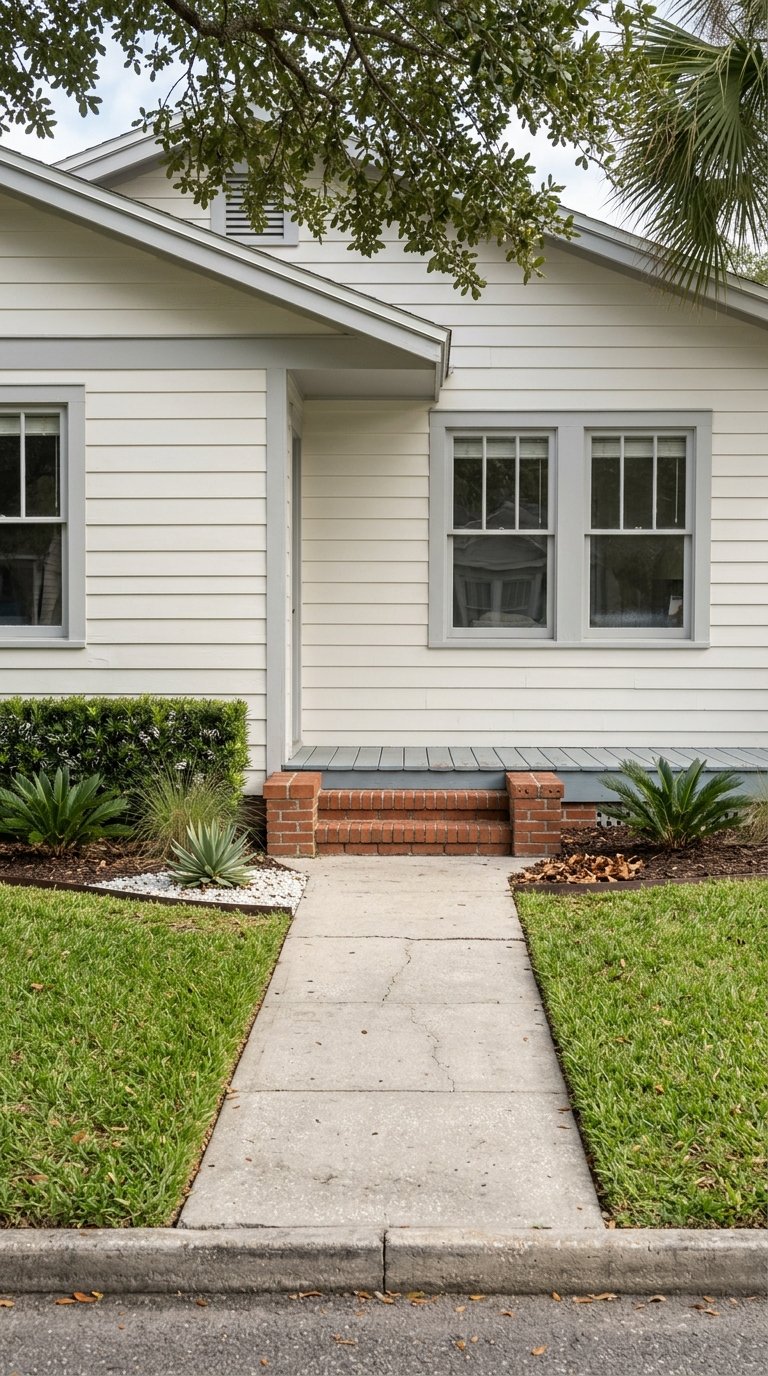
You’ll spot Craftsman and bungalow homes by low‑pitched gables, wide eaves with exposed rafters, and tapered porch columns. Many have wood siding and rich interior millwork.
- Maintenance: Expect regular painting, porch and trim repairs, and termite vigilance. Pier‑and‑beam foundations may need periodic elevation checks. Roof valleys and dormers deserve extra attention for leaks.
- Resale signals: Well‑preserved trim, built‑ins, and original windows can boost appeal. Thoughtful energy upgrades like insulation and HVAC integration add comfort without erasing character.
Mediterranean Revival insights
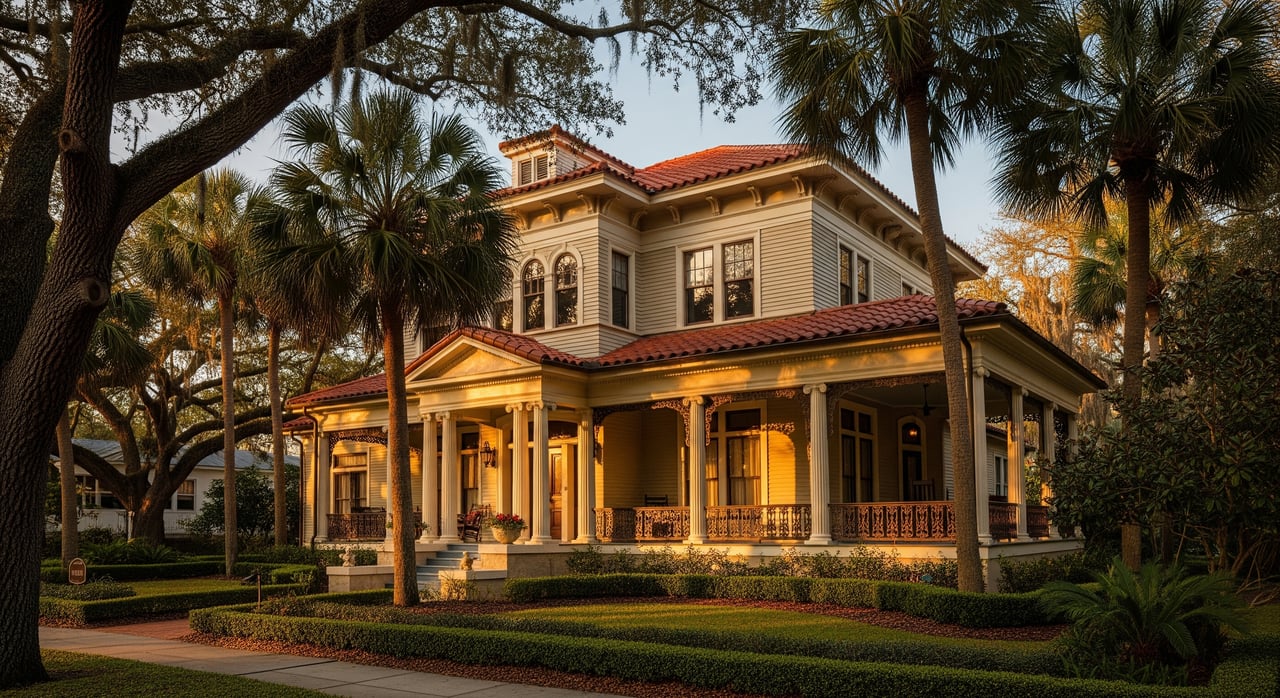
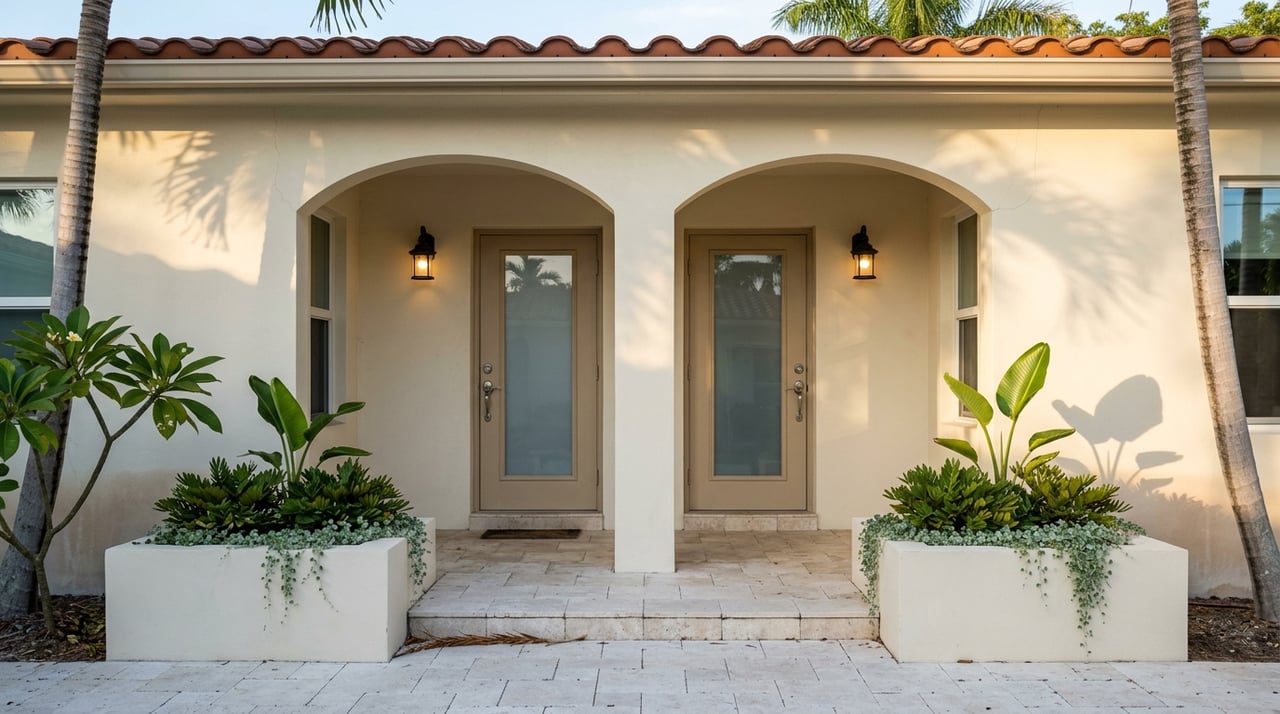
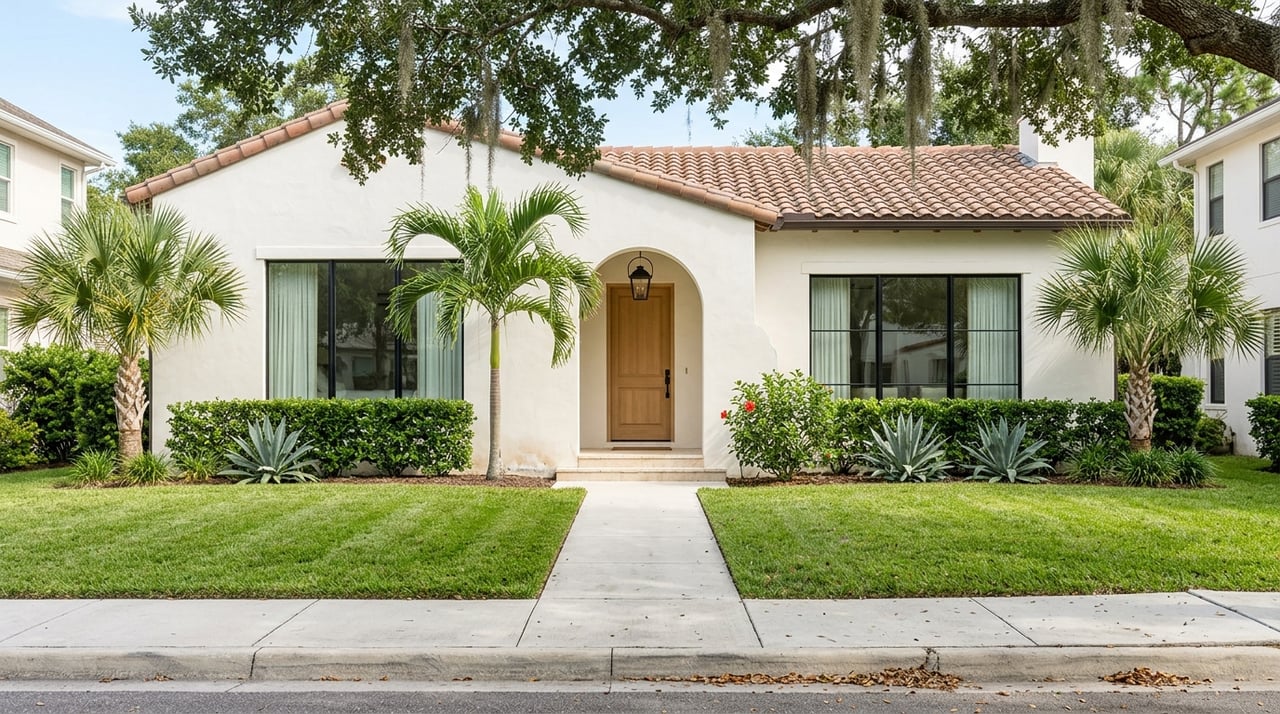
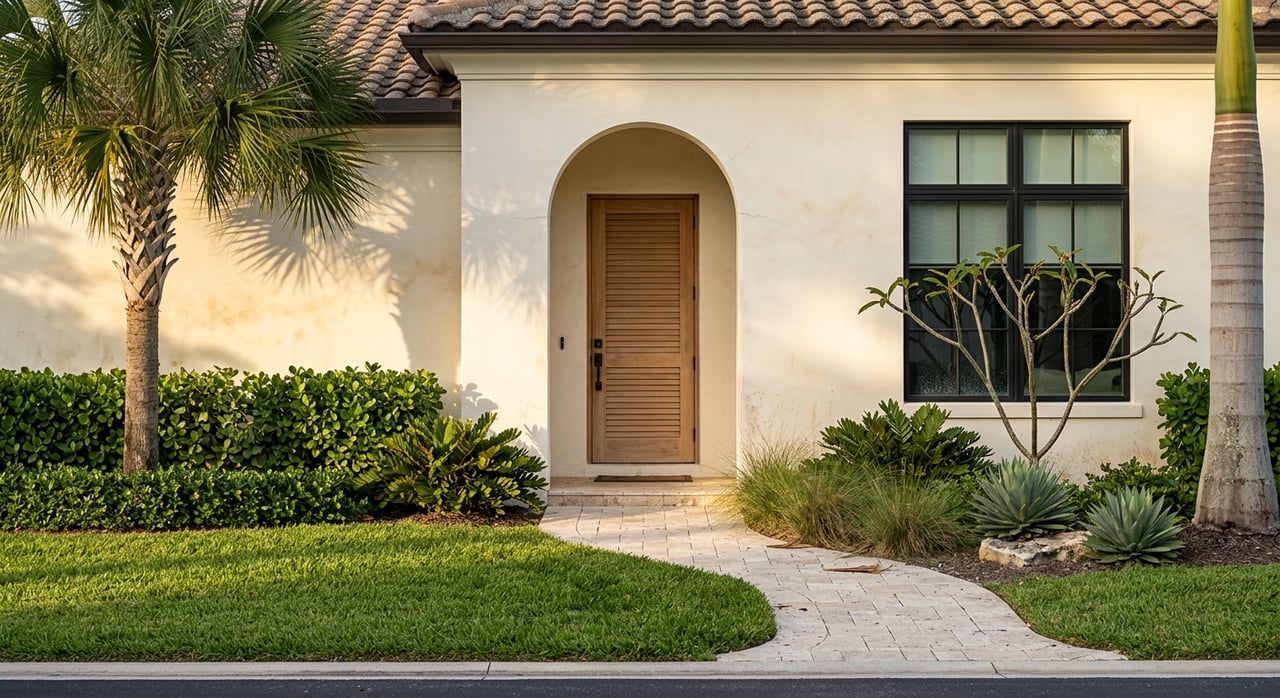
Mediterranean Revival and Mission‑influenced homes feature stucco walls, red clay tile roofs, arched openings, and wrought‑iron details.
- Maintenance: Inspect stucco for hairline cracks to keep moisture out. Clay tile roofs can last decades, though tiles may crack or slip and need specialized repairs. Metal exposed to salt air requires routine checks for corrosion.
- Resale signals: Many buyers associate this look with coastal Florida elegance. Strong curb appeal and a sound tile roof can support buyer confidence when systems are maintained.
Colonial Revival appeal
Colonial Revival homes show symmetry, multi‑pane double‑hung windows, and columned entries in brick or wood.
- Maintenance: Brick offers durability but may need mortar repointing. Wood cladding requires painting and caulking on a consistent cycle. Original double‑hung windows are repairable and valuable when weather‑stripped.
- Resale signals: Traditional proportions fit well with sensitive layout updates, which helps balance character and modern living.
Cottages and hybrids
You’ll also see vernacular frame cottages and bungalow variants. Many are modest in scale with simple plans and inviting porches.
- Maintenance: Smaller homes can have lower total upkeep, but older electrical, plumbing, and HVAC are common. Crawlspaces should be checked for moisture and pests.
- Resale signals: These homes attract entry‑level and project‑minded buyers. Value often reflects renovation potential and site location within the neighborhood.
Climate, upkeep, and costs
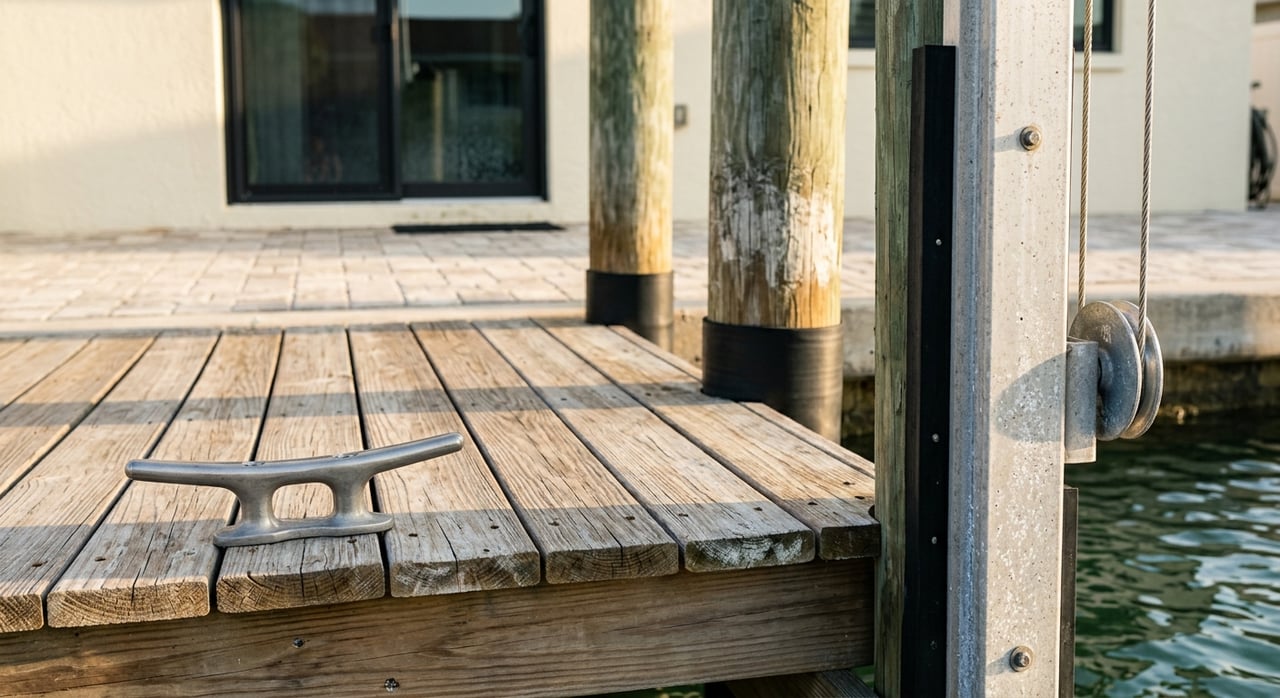
Coastal Florida’s heat, humidity, rainfall, and salt air all influence lifetime costs. Salt accelerates metal corrosion, and frequent storms drive wind‑blown rain into weak points.
- Materials: Wood siding and porches need painting every 5 to 10 years on average, plus spot carpentry and rot control. Stucco needs crack repair and flashing upkeep to guard against moisture. Tile roofs can last 50+ years, but underlayment ages and repairs require specialists.
- Systems: Older electrical panels, knob‑and‑tube wiring, galvanized plumbing, and uninsulated walls are typical. Plan for modernization that respects historic fabric.
- Protection: Roofing attachment, shutters or impact protection, and wind‑resistant details matter for safety and insurance.
Historic rules and permits
Local preservation rules help protect streetscape character and can support value stability. Exterior changes in designated districts often require approval.
- What to confirm: Permit history, any Certificates of Appropriateness, and prior violations. Ask the City of St. Petersburg which exterior work triggers review.
- Contractor choice: Use teams familiar with historic materials and local permitting. Unpermitted work can complicate resale and closing.
Insurance and financing tips
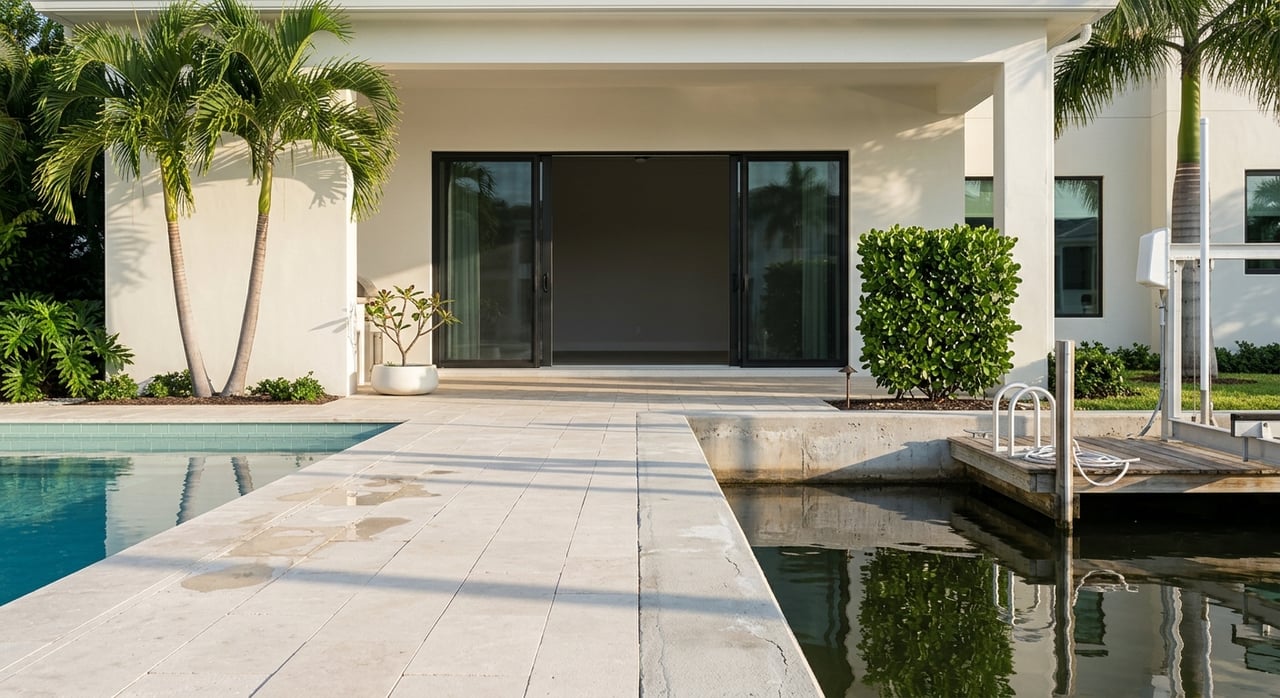
Coastal risk, roof type, and window protection affect insurance availability and cost. If a property lies in a mapped flood zone, flood insurance may be required.
- Insurance: Premiums can rise with specialty materials like clay tile or historic windows. Insurers may ask for roof or anchoring upgrades before issuing or renewing coverage.
- Financing: Standard loans apply when habitability standards are met. Renovation options like FHA 203(k) and Fannie Mae HomeStyle can bundle purchase and improvements for owner‑occupants. Income‑producing historic properties may qualify for federal tax credits, while owner‑occupied homes typically do not.
Smart renovation priorities
Plan projects that enhance safety, insurability, and comfort without erasing character. Preserve defining exterior features and document originals before work starts.
- Start with essentials: Roof integrity, foundation and structure, electrical service, plumbing, and HVAC.
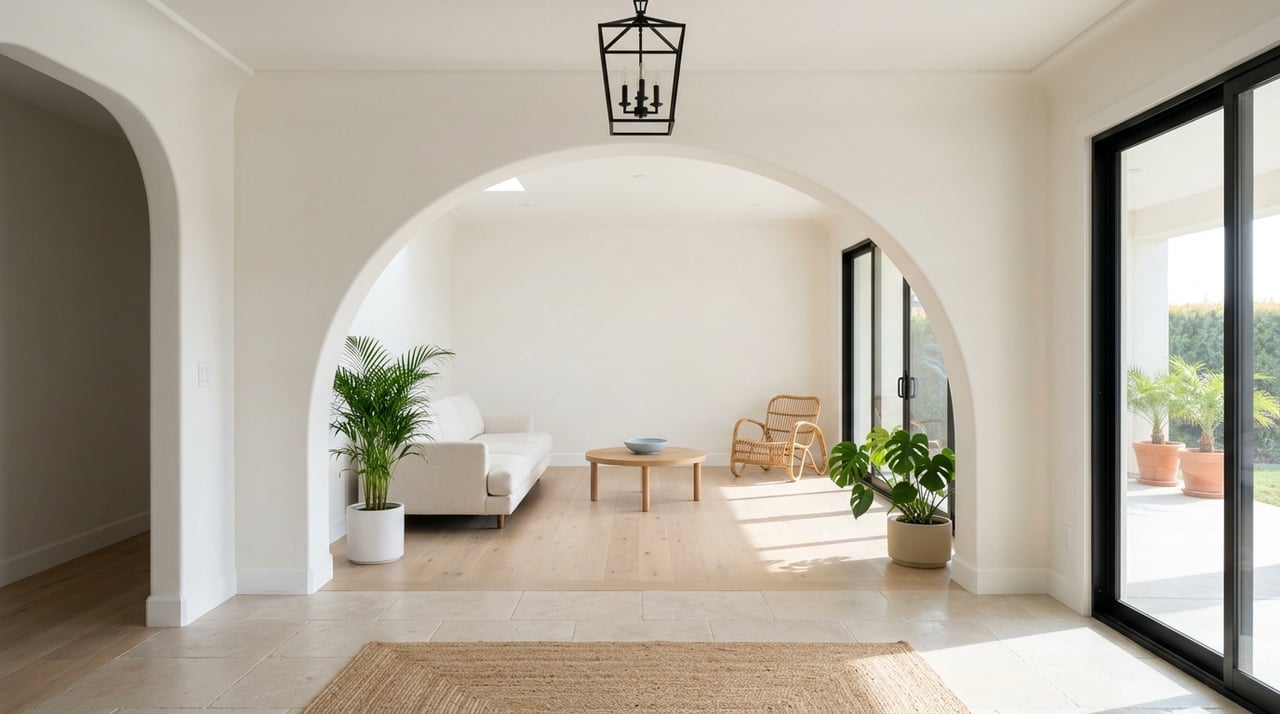
- Thoughtful upgrades: Weather‑strip and repair historic windows, add discreet insulation, and modernize kitchens and baths with finishes that complement period details.
- Work with the city early: Coordinating with preservation staff can streamline approvals and reduce surprises.
Marketability and long‑term value
Authentic historic features and intact façades are scarce, and many buyers value them. That, along with HON’s location, supports demand from local and relocation buyers.
- Stability factors: Design review can help preserve block character, which supports market confidence over time. Timely preventive maintenance keeps lifecycle costs in check and reduces surprises at resale.
- Adaptability: Larger Craftsman and Colonial‑Revival homes often adapt well to modern layouts. Very small bungalows can be more challenging to open up without affecting defining features.
Buyer checklist for HON
Before you submit an offer, use this quick list to set expectations and protect your budget:
- Confirm whether the home is in a local historic district and what exterior changes need approval.
- Book a detailed inspection with a pro who knows historic homes. Include roof, foundation or piers, moisture, termites, electrical, plumbing, and HVAC.
- Review FEMA flood maps and any elevation certificates. Ask for flood and wind insurance estimates.
- Request permit history, repair records, and any design‑review approvals from the seller.
- Get three bids for major items like roofing, mechanicals, and structure, not just a single estimate.
Partner with local expertise
Choosing in Historic Old Northeast is both a lifestyle and financial decision. When you understand how architecture, maintenance, insurance, and local rules intersect, you can buy with confidence and plan for long‑term value. If you want help comparing styles, estimating upgrades, or preparing a property for market, let’s talk. Connect with Nanette Counselman for neighborhood‑savvy guidance and a clear path forward.
FAQs
What makes Historic Old Northeast homes hold value?
- A mix of location advantages, authentic period features, and design review that preserves streetscape character can support value stability over time.
How do Craftsman bungalows affect maintenance costs?
- Expect recurring painting, porch and trim repairs, and termite prevention, plus periodic checks of pier‑and‑beam foundations and roof valleys.
Are Mediterranean Revival homes cheaper to maintain?
- Tile roofs often last longer but repairs can cost more and require specialists. Stucco needs crack repair and moisture control to avoid bigger issues.
Do historic district rules apply to every HON home?
- Not always. Verify local designation, boundaries, and which exterior changes require review with the City of St. Petersburg Historic Preservation staff.
How do insurance and flood zones impact buying in HON?
- If the home is in a mapped flood zone, flood insurance may be required. Wind protection, roof type, and historic materials also affect premiums and underwriting.
What renovations add value without harming character?
- Prioritize roof, structure, and systems first. Then modernize kitchens and baths, repair historic windows with weather‑stripping, and add discreet insulation for comfort.