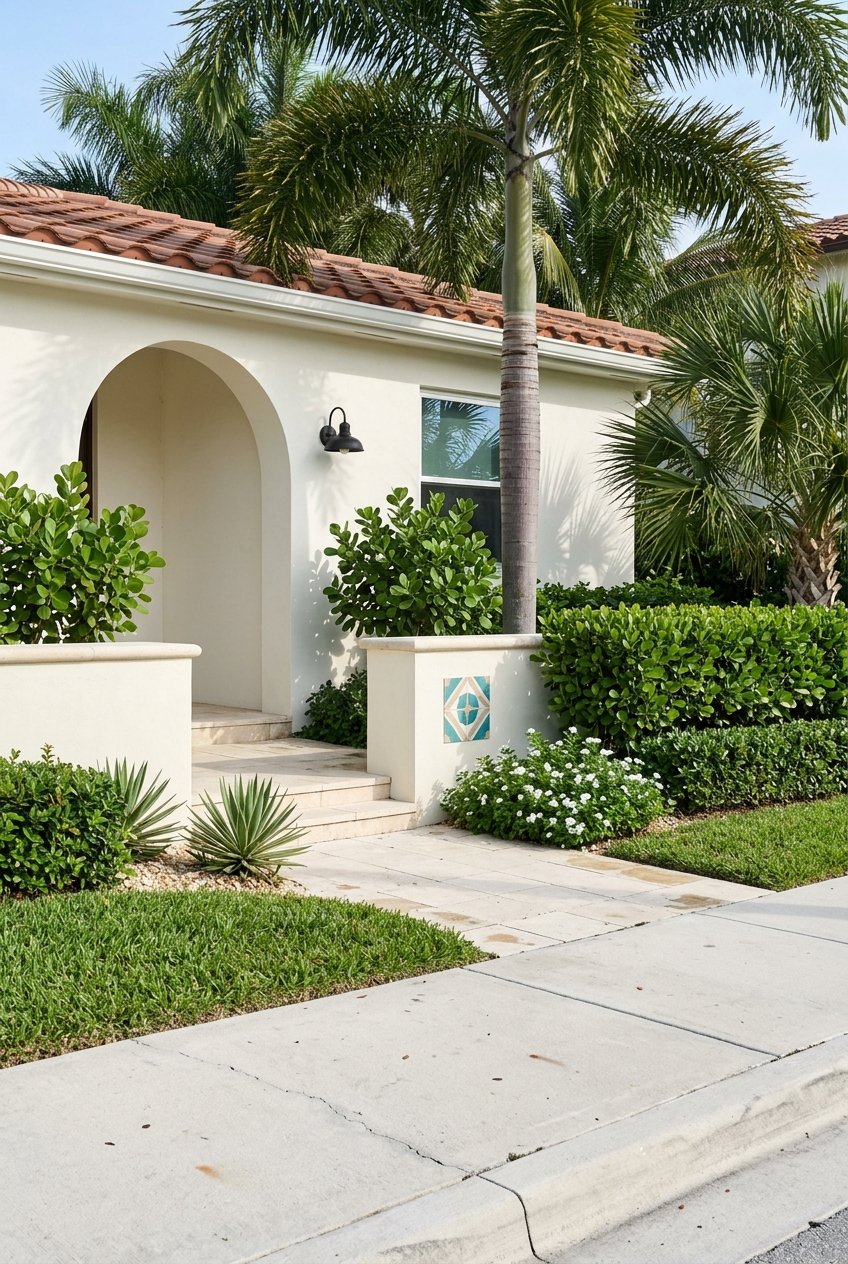
Are you torn between the nostalgic charm of a 1920s bungalow and the comfort of a turnkey modern home in Old Southeast? You are not alone. Many buyers love the neighborhood’s front porches, tree canopy, and near-downtown location, yet also want open layouts, efficient systems, and fewer surprises. In this guide, you will learn how classic bungalows and newer or renovated homes compare on layout, finishes, maintenance, and lifestyle so you can choose with confidence. Let’s dive in.
Old Southeast at a glance
Old Southeast sits near downtown St. Petersburg, close to waterfront parks and cultural amenities. The neighborhood blends early 20th century cottages with newer infill builds and renovated properties, which gives each street a varied look and feel. Proximity to dining, parks, and the bay drives interest in both historic and updated homes. This mix also means you should pay attention to local permitting and preservation rules that can affect renovations.
Historic bungalows and cottages: what to expect
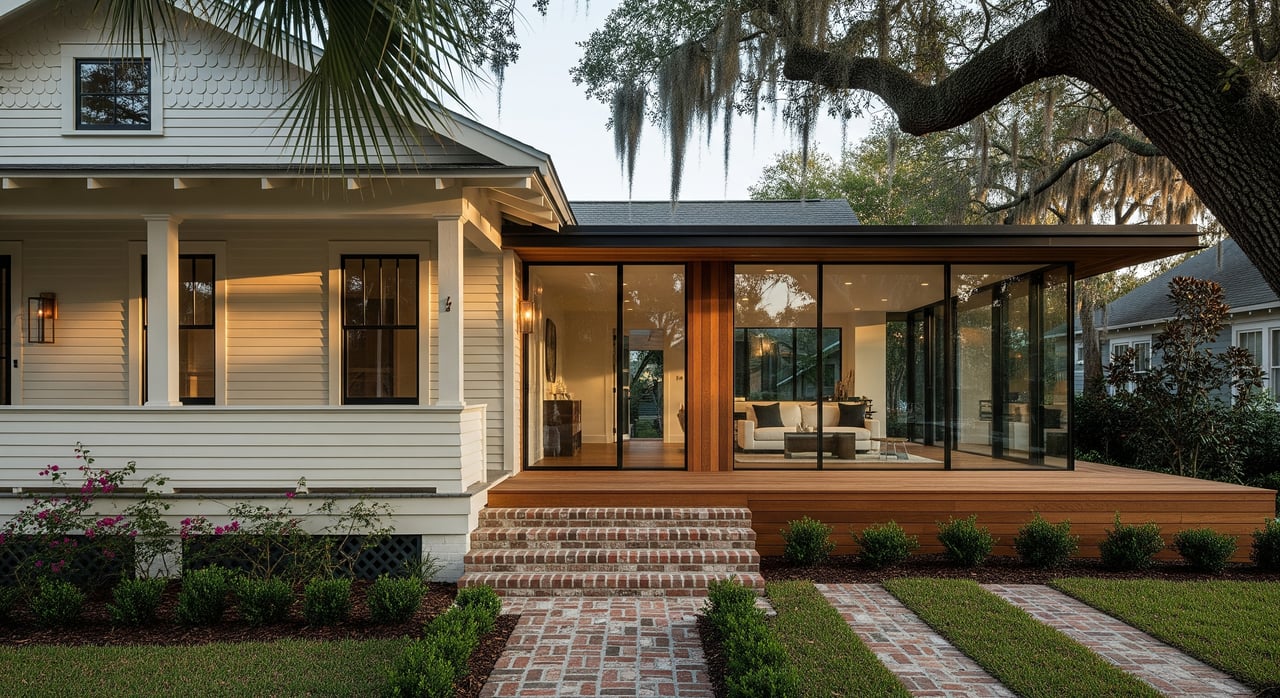
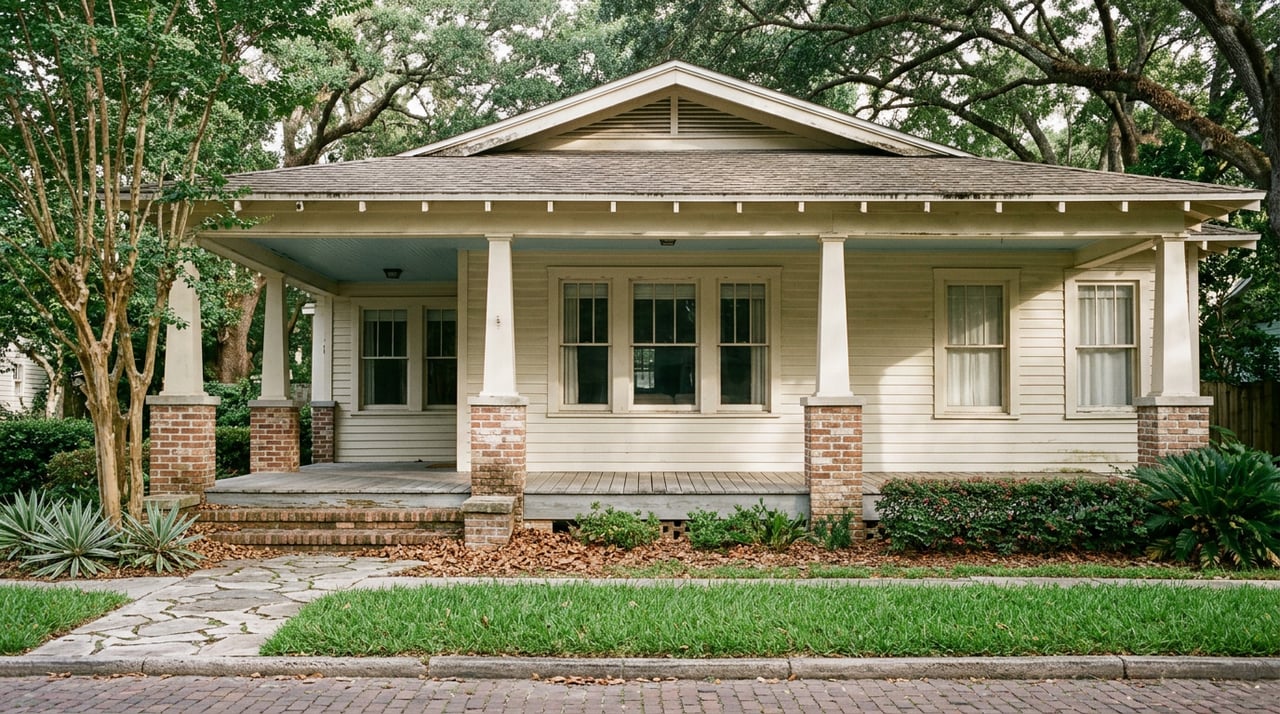
Old Southeast’s classic homes often date from the early 1900s to the 1940s, including Craftsman and cottage styles. You will notice low-pitched roofs, deep front porches, exposed rafters, and tapered columns that create a welcoming street presence. Inside, rooms are typically more defined rather than open, with modest footprints and shorter sightlines.
Layout and features
- Mostly single story or one-and-a-half stories with distinct living, dining, and kitchen spaces.
- Moderate ceiling heights in many rooms, with occasional higher ceilings in main areas.
- Original hardwood floors, plaster walls, built-ins, and period details are common.
- Kitchens and baths tend to be smaller unless already updated.
- Parking may be on-street, driveway, or in a detached rear garage.
Systems and hidden challenges
- Older electrical panels and lower amperage may need upgrades to support modern usage.
- Plumbing may include galvanized or older copper supply and cast-iron drains that require evaluation.
- HVAC can be near end of life in some properties, or window units may still be present.
- Foundations and crawlspaces can show settlement or moisture issues.
- Pre-1978 homes may contain lead paint, and some later remodels can include asbestos materials. Testing and professional abatement may be needed.
Why buyers love them
- Character-rich details, cozy room proportions, and period millwork.
- Deep porches that invite neighborly connection and everyday outdoor living.
- Mature landscaping that softens the streetscape and boosts curb appeal.
Newer and renovated homes: what you gain
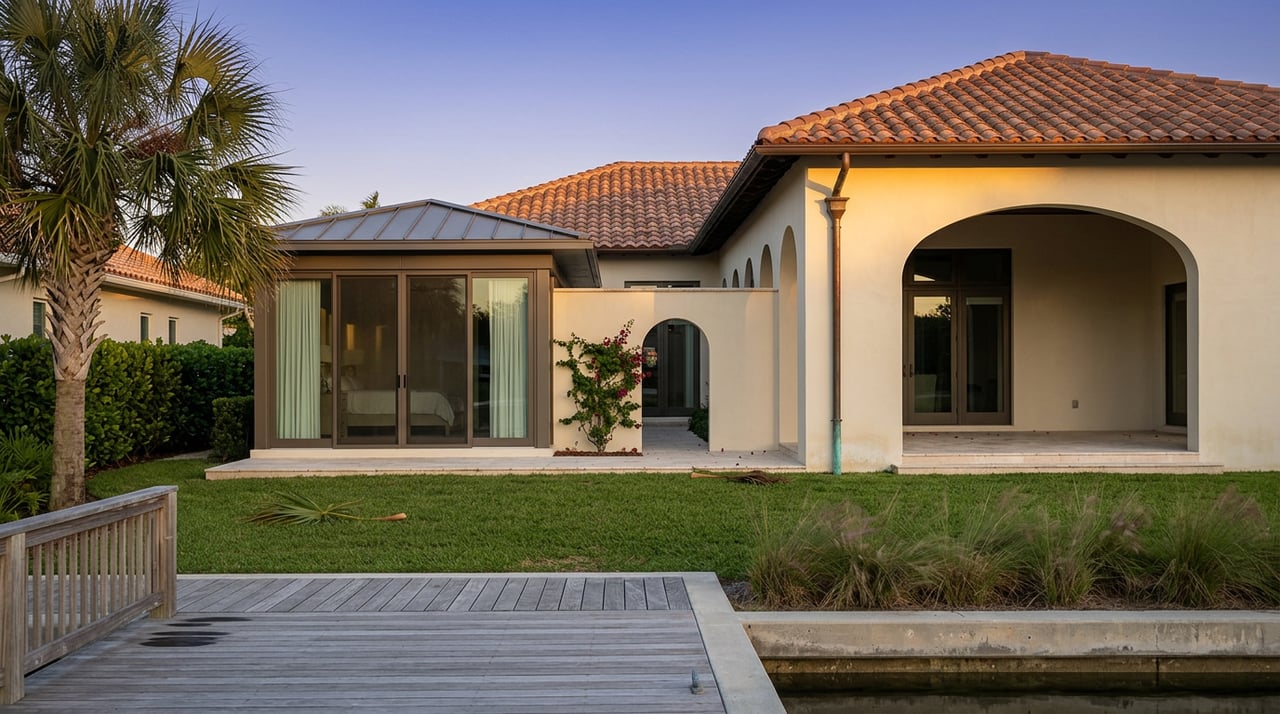
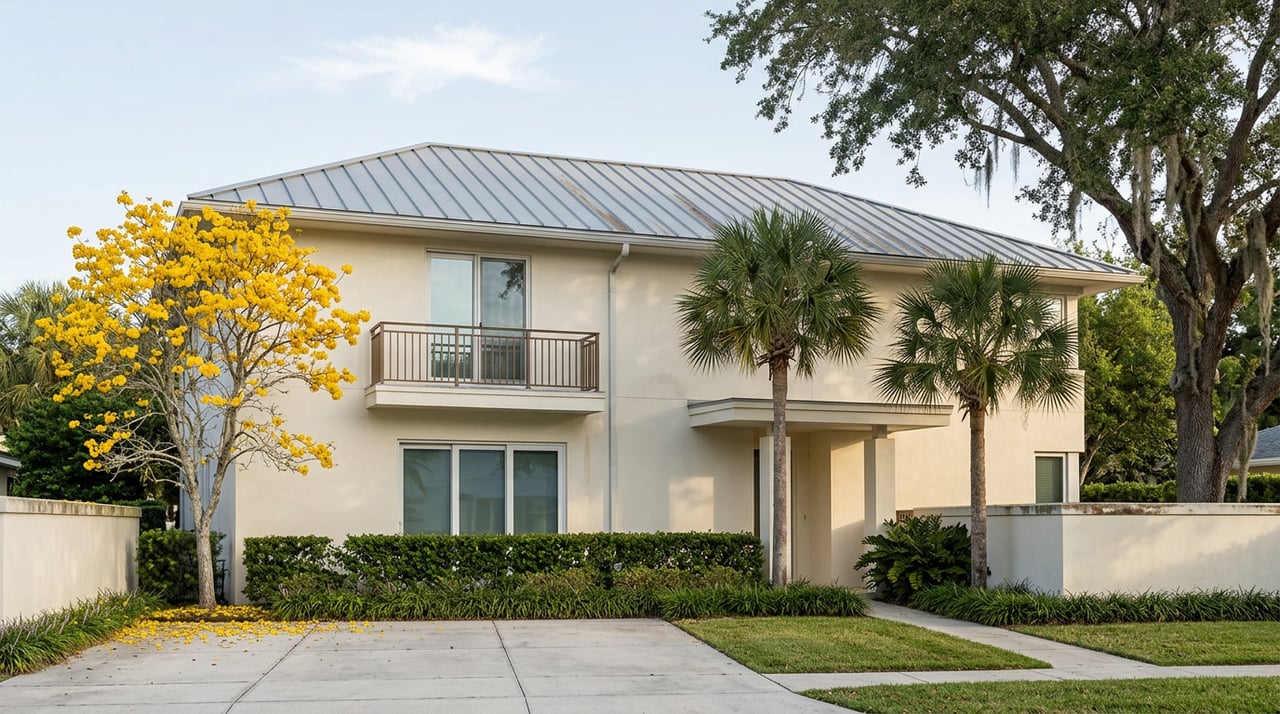
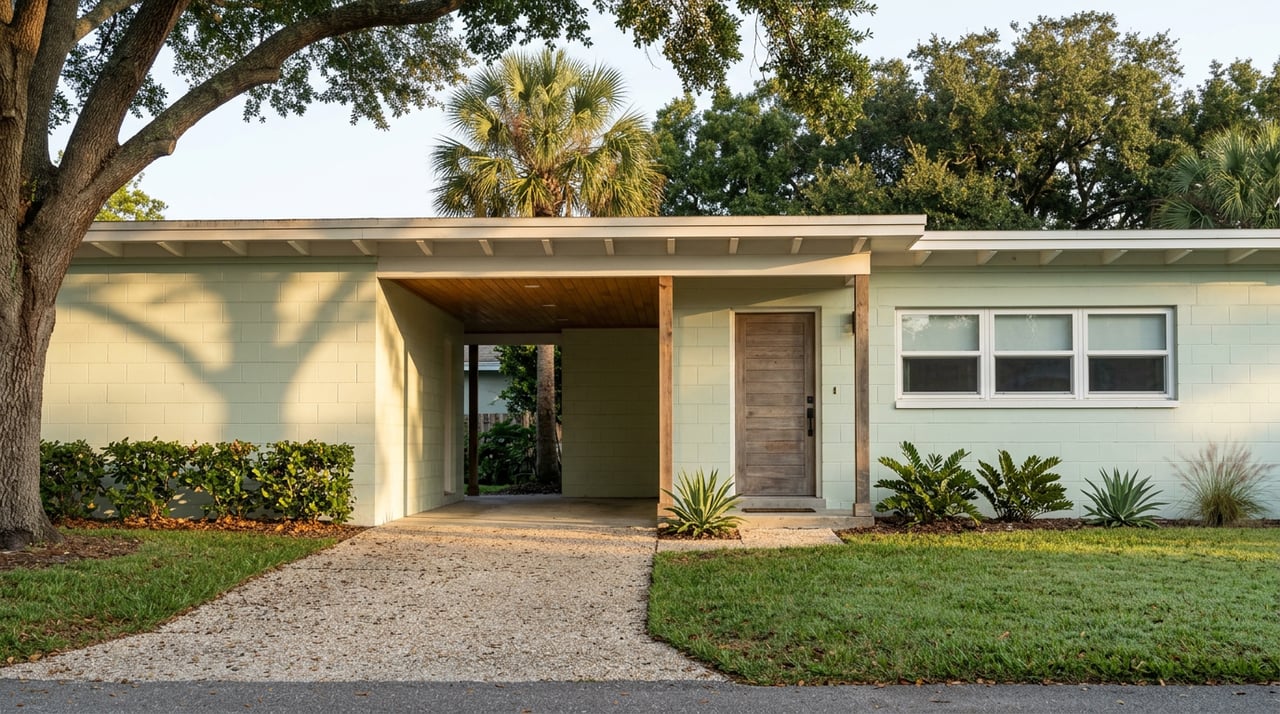
Old Southeast also includes newer infill homes and historic shells that have been thoroughly updated. These properties often emphasize light, space, and efficiency while staying close to the neighborhood’s parks and downtown amenities.
Layout and features
- Open kitchen, dining, and living areas that support easy entertaining and flexible daily use.
- Larger kitchens with contemporary cabinetry, stone or quartz counters, and modern appliances.
- More storage with walk-in closets and dedicated laundry rooms.
- Higher or vaulted ceilings are more common in new construction.
- Attached or alley-loaded garages show up more often in newer builds.
Systems and performance
- New roofs, modern HVAC, updated electrical service, and PEX or copper plumbing reduce near-term repair risk.
- Energy-efficient windows, insulation, LED lighting, and smart thermostats can improve comfort and reduce utility use.
- Renovated homes that mix old and new can still have structural constraints, but they often deliver a strong balance of style and function.
Tradeoffs to weigh
- Sleek finishes may feel less “historic” than original millwork or plaster.
- Multi-story layouts can add stairs and change how you use outdoor space.
- Larger window openings and contemporary elevations may shift the front-porch feel toward private rear-yard living.
Maintenance and cost planning
Every home requires upkeep, but age and construction details shape what you should budget for in Old Southeast.
Older bungalows and cottages
- Structure and foundation: Settlement, rot in sill plates, and crawlspace moisture can require professional repair.
- Termites and wood-destroying organisms: Routine inspections and preventive treatments are a smart habit in this climate.
- Roofing and exterior: Older roofs may be due for replacement, and coastal air can accelerate corrosion on metal components.
- Electrical and plumbing: Plan for panel upgrades, grounded circuits, and potential re-piping when you open walls.
- HVAC and finishes: Replacing aging units, repairing ductwork, and restoring plaster or original floors often top the list.
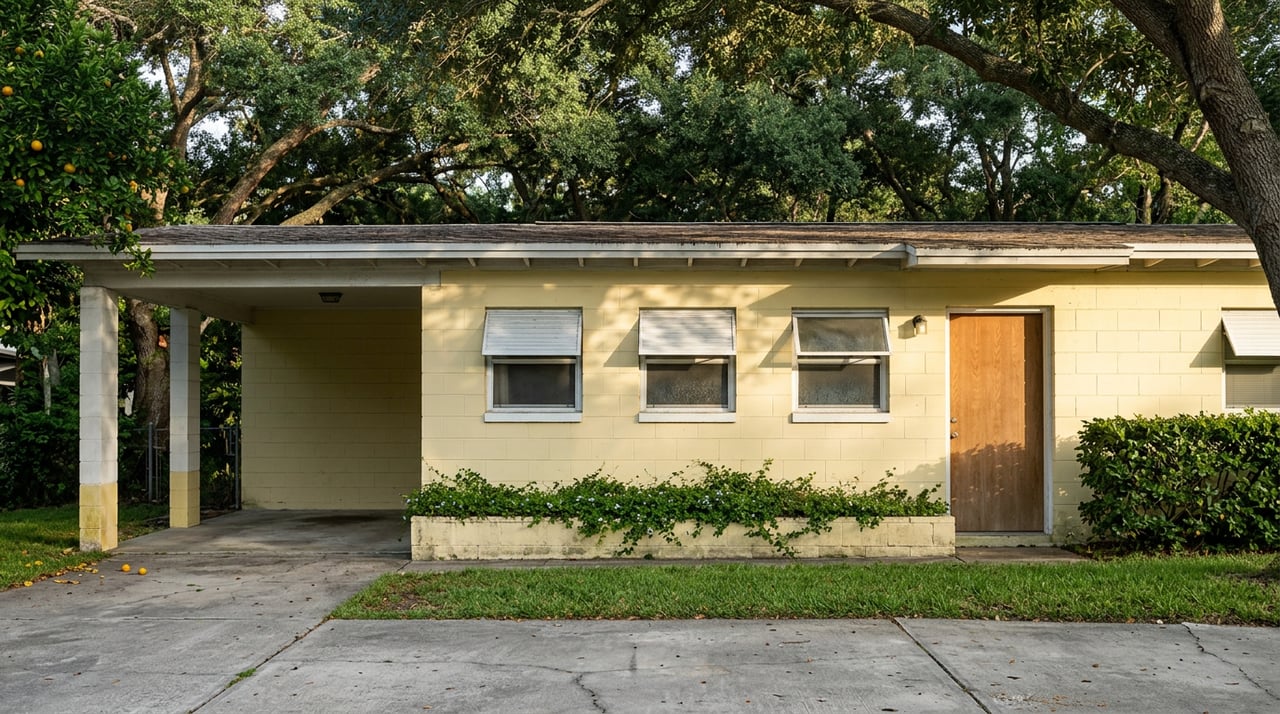
- Hazardous materials: For pre-1978 homes, test for lead paint. In mid-century updates, check for asbestos in floor tile or insulation.
Newer or renovated homes
- Lower near-term maintenance on major systems when work is recent and permitted.
- Possible builder or contractor warranties on new construction or permitted renovations.
- Improved insulation and ventilation can help manage humidity and lower bills.
- Coastal exposure still requires routine exterior care and storm-readiness.
Insurance and code items to verify
- Flood exposure: Some homes sit in FEMA flood zones due to waterfront proximity. Lenders may require flood insurance, and it can benefit many owners.
- Windstorm and hurricane coverage: Understand deductibles and how roof age or window protection affects premiums.
- Permits and code compliance: Additions and major renovations typically require permits and inspections under the Florida Building Code and local rules.
- Historic designation: Exterior changes on designated properties can require design review through city preservation channels.
Daily life and lifestyle fit
Lifestyle often tips the scale when two homes check the same boxes on price and location.
Living in a classic bungalow
- Authentic character with built-ins, wood floors, and porch culture.
- Smaller rooms may feel cozy and efficient, but storage can be limited.
- Older windows and insulation can allow more exterior noise and heat transfer.
- Walkability and near-downtown access support an active, bike-friendly routine.
Living in a newer or renovated home
- Open layouts make gatherings easy and everyday flow simple.
- Improved comfort due to better insulation, windows, and HVAC.
- More storage and parking, often with integrated garages.
- Larger windows bring in daylight, while second-story balconies or private rear yards shift outdoor time away from the street.
Who tends to choose each type
- Classic homes attract buyers who value historic detail, porch time, and are comfortable with an older home’s quirks or planned projects.
- Newer or renovated homes attract buyers who want turnkey living, modern kitchens and baths, energy efficiency, and less near-term maintenance.
Quick decision guide
Use these prompts to zero in on your best fit.
- You want a sense of history, daily porch sitting, and original details you can preserve and restore. Consider a classic bungalow.
- You prefer a bright, open kitchen and living area, larger closets, and predictable systems. Consider a newer or fully renovated home.
- You enjoy hands-on projects, artisan finishes, and customizing over time. A historic cottage could be a rewarding choice.
- You need move-in readiness with fewer surprises. A renovated or new build may serve you best.
- You travel often or plan a second home. Lower-maintenance systems can minimize worry while you are away.
Due diligence checklist for Old Southeast buyers
Do a structured review before you write an offer and during inspections.
Pre-offer checks
- Confirm the property’s flood zone and base flood elevation. Request any existing elevation certificate.
- Review property tax history through county records.
- Ask for permit history for additions, roofs, HVAC, plumbing, and electrical work. Verify that renovations were permitted and inspected.
- Check whether the home is in a historic district or has individual designation and what that means for exterior changes.
Inspections and specialists
- General home inspection that covers structure, roof, HVAC, electrical, and plumbing.
- Termite and wood-destroying organism inspection with a formal report.
- Roof inspection by a Florida-experienced roofer who understands wind requirements.
- Mold or moisture assessment if there are signs of water intrusion or a crawlspace.
- Licensed electrician to evaluate older panels or mixed wiring.
- Plumbing scope to assess supply lines and drains, and to anticipate re-piping if needed.
- Consultation with a preservation professional or architect if you plan significant exterior changes.
- Survey or updated elevation certificate when boundaries or elevation affect flood or building questions.
- Wind mitigation inspection to document features that can reduce insurance premiums.
Negotiation and timelines
- Use inspection findings to negotiate repairs, credits, or price adjustments. For known issues, seek written estimates from local contractors.
- Add realistic time for permitting and review to your post-closing plan, especially for historic exteriors.
- Build a contingency for unknowns. For older homes, it is common to set aside extra funds based on age and scope.
How to balance charm and convenience
If you love historic character but want modern function, look for homes that blend both. Many successful renovations preserve original floors, trim, and porch details while updating kitchens, baths, and major systems. If you lean modern but admire the neighborhood’s vintage feel, newer infill homes can deliver open spaces and efficiency within the same walkable setting.
Your choice should reflect how you live daily and how much time and budget you want to invest after closing. Start with safety and systems first, then layer in design upgrades at your pace. With the right plan, either path can be a great long-term decision in Old Southeast.
Ready for local guidance?
Choosing between a classic bungalow and a modern renovation is easier with a neighborhood expert who understands historic rules, permitting, flood exposure, and contractor quality. If you want a tailored plan and trusted referrals, connect with Nanette Counselman for concierge-level buyer representation in Old Southeast.
FAQs
What should first-time buyers know about Old Southeast homes?
- The neighborhood includes both historic-era bungalows and newer or renovated properties. Expect different layouts, systems, and maintenance profiles based on age and renovation quality.
How do historic designations affect renovations in St. Petersburg?
- Exterior changes on designated properties may require design review and approval. Interior updates are usually less restricted. Always confirm local rules before planning work.
Do I need flood insurance near the waterfront in Old Southeast?
- If your home is in a mapped flood zone or your lender requires it, you will likely need flood insurance. Even outside mapped zones, many owners choose coverage after reviewing risk and quotes.
What are common system upgrades in older bungalows?
- Electrical panel upgrades, grounded outlets, re-piping older supply and drain lines, HVAC replacement, and roof work are typical. Crawlspace moisture or settlement repairs can also arise.
Are renovated bungalows a good way to blend charm and convenience?
- Yes. Renovations that update systems and improve function while keeping key character features, such as original floors and porches, are often well received in near-downtown coastal neighborhoods.