Buying a Second Home in St Pete Beach With Confidence
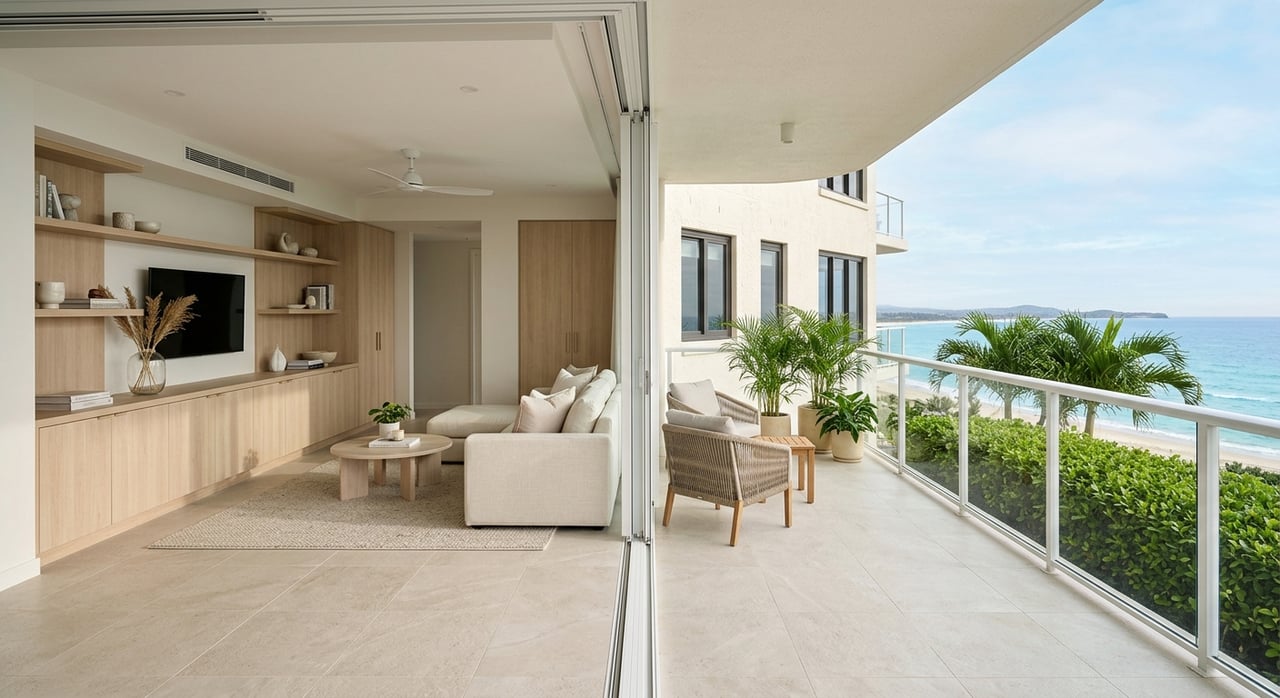
Buying a second home in St. Pete Beach sounds simple until you start looking at the details. A beautiful beach property can also come with flood considerations, condo rules, insurance questions, and rental limits that affect how you use it and what it costs to own. If you want a place that supports your lifestyle and your budget, it helps to know what to check before you close. Let’s dive in.
St. Pete Beach is a unique coastal market, and second-home buyers often face a different set of questions than primary-residence buyers. You may be thinking about seasonal use, lock-and-leave convenience, future resale value, or occasional rental income.
In this market, the biggest variables usually include flood exposure, non-homestead property taxes, condo or HOA costs, and whether local zoning and association rules allow the use you want. Those factors can materially change both your monthly carrying costs and your long-term ownership experience.
One of the most important facts to know is that all of St. Pete Beach is in a Special Flood Hazard Area, according to the city’s flood-awareness guidance. That does not mean every property carries the same level of risk, but it does mean flood due diligence should be part of every second-home purchase here.
The official public source for current flood maps by address is FEMA’s Flood Map Service Center. Before you buy, verify the exact property address there and ask whether an elevation certificate already exists for the home. The city notes that elevation certificates are available for many structures through the Building Division, and that information can help with insurance quotes and underwriting.
Flood insurance also deserves early attention. The city says flood losses are not covered under most standard homeowners policies, and there is usually a waiting period before flood coverage takes effect. FEMA also says that federally backed mortgages in high-risk A and V zones require flood insurance.
For many second-home buyers, the first big choice is condo versus single-family home. Both can work well in St. Pete Beach, but the ownership experience is different.
A condo may reduce the amount of exterior maintenance you have to manage while you are away. Under Florida law, the condominium association is generally responsible for common-element maintenance, repair, and replacement unless the declaration places certain limited common-element duties on the owner.
That convenience can be a major advantage for seasonal owners. At the same time, condo ownership means you need to understand dues, reserves, insurance responsibilities, and building rules before you buy.
With a single-family home, you may have more direct control over the property, but you will usually handle more maintenance and exterior-related ownership tasks yourself. In a coastal setting, that can be a meaningful part of the planning process.
If you are buying a resale condo, Florida law requires the seller to provide a detailed set of association documents. These include the declaration, articles of incorporation, bylaws and rules, annual financial statement and budget, the most recent milestone inspection summary if applicable, the most recent structural integrity reserve study or a statement that none exists, any required turnover inspection report, and the association FAQ sheet.
These documents are not just paperwork. They are one of the best ways to understand whether the building’s rules, reserves, and ongoing expenses fit your second-home goals.
As you review them, pay close attention to:
Florida law also requires condominium associations to maintain adequate property insurance and keep financial and operational records. That is why dues and reserves should be treated as real ownership costs, not a minor line item.
If you are buying a second home in St. Pete Beach, you should generally model property taxes as non-homestead unless the property will become your primary residence. This is a key budgeting point for out-of-area buyers.
Florida Revenue says homestead applies when the owner makes the property his or her permanent residence. It can reduce taxable value by as much as $50,000 and may qualify the home for Save Our Homes protections. Pinellas County’s property appraiser says the property must be your primary residence as of January 1 to qualify.
If the home is not homestead, Florida Revenue says assessed value can increase by up to 10% per year. For many second-home buyers, that means the future tax picture may look different than it would for a full-time residence.
In St. Pete Beach, insurance is not something to leave until the last minute. Flood and wind coverage can have a major impact on your ownership costs.
Because flood losses are typically not covered by standard homeowners insurance, you will want to get clarity on flood coverage early. It is also smart to ask for insurance quotes as part of your due diligence rather than after you are deep into the transaction.
If you are comparing several homes, differences in flood zone details, elevation information, and building characteristics can affect pricing. Two properties with similar list prices may carry very different ownership costs once insurance is factored in.
Many second-home buyers like the idea of renting the property while they are away. In St. Pete Beach, that plan needs to be checked carefully before you assume it will work.
The city says rentals of less than one month are not permitted in many districts. It also says transient occupancy of less than 30 days is allowed up to three times per 12-month period in the RM zoning district and the Pass-A-Grille Overlay District. Rentals of one month or more are allowed in all residences citywide.
If a use falls under permanent transient lodging, the city says that requires a business tax license and review by both Zoning and the Fire Marshal. Buyers should confirm the parcel’s district on the official zoning map or with City Hall before relying on a rental strategy.
For condos, city zoning is only part of the picture. Florida law makes clear that the association is governed by its declaration and bylaws, and official records include the current rules and other operating documents. In real terms, you need both the city’s rules and the condo’s rules to line up with your plans.
If you may rent your second home while you are away, carrying costs can go beyond insurance, taxes, and maintenance. Pinellas County says the tourist development tax is 6% on rentals of six months or less, plus 7% sales and use tax.
The county also says the owner remains responsible even if a rental agent handles collection and remittance. That means rental use can add both cost and administrative responsibility, so it should be part of your planning from the start.
Out-of-area and seasonal buyers often do best with a simple checklist. It helps you compare homes clearly and avoid last-minute surprises.
Before closing, make sure you:
If the property is a condo, add these items to your review:
An estoppel certificate can be especially useful because Florida law requires the association to provide one within 15 days after a written request. It is a practical tool buyers and lenders use to verify what is owed to the association.
A second home in St. Pete Beach can be a wonderful lifestyle move, but the right purchase is about more than finding a pretty property near the water. You want a home that fits how you plan to use it, what you want to spend, and how much day-to-day oversight you are comfortable managing.
That usually means slowing down long enough to confirm the details that matter most. Flood exposure, tax status, insurance, zoning, and condo rules can all shape whether a home feels easy and enjoyable to own.
When you understand those moving parts up front, you can buy with far more confidence. That is especially important if you are purchasing from out of town or comparing condos and single-family homes across different parts of St. Pete Beach.
If you are considering a second home on St. Pete Beach and want clear, local guidance through the process, connect with Nanette Counselman for thoughtful, hands-on support tailored to your goals.
Stay up to date on the latest real estate trends.
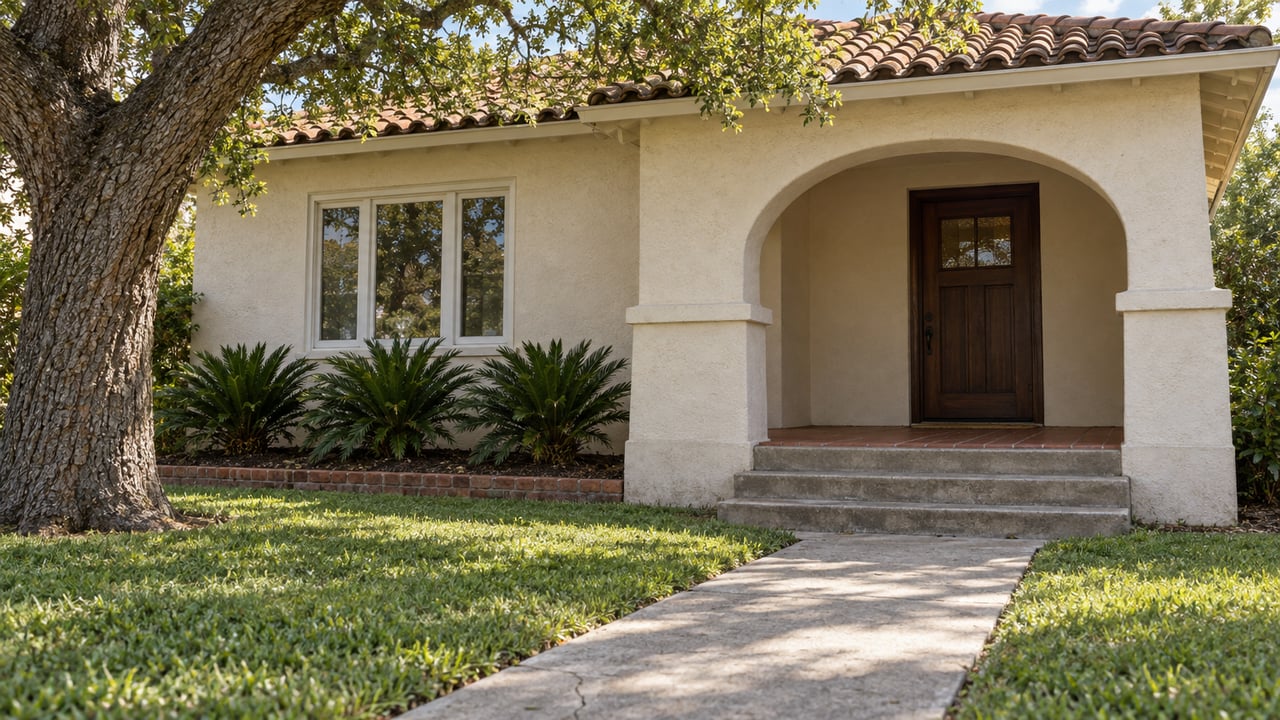
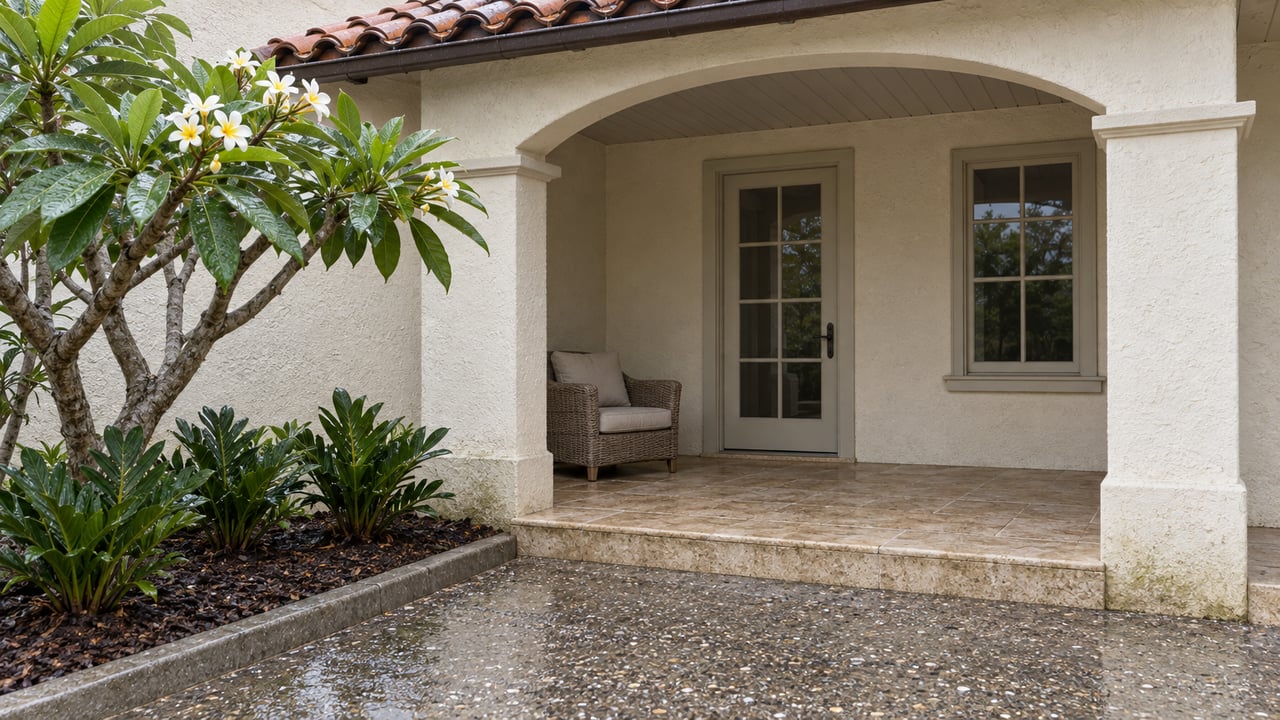
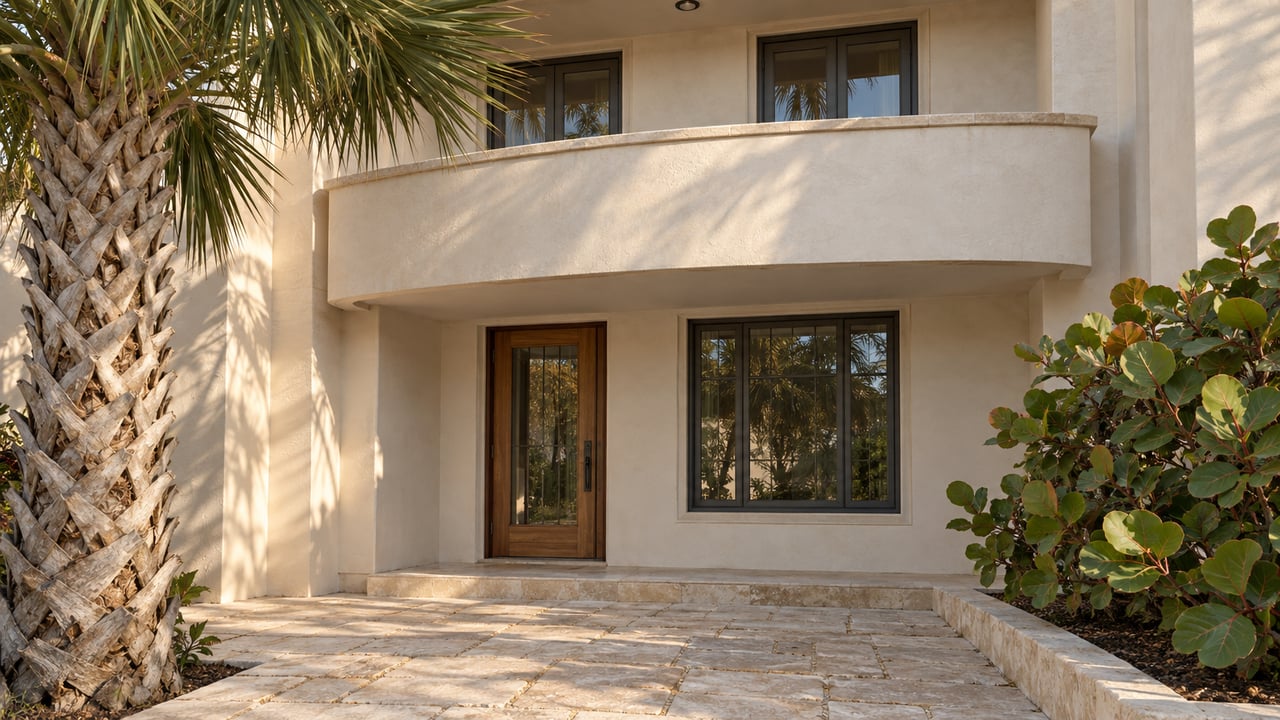

Looking to buy, sell, or just have a question? I'm always available to help and would love to work with you. Contact me today to start your home searching journey!

NANETTE COUNSELMAN
4293 Pompano Dr SE St. Petersburg FL 33705