Buying a Home in Old Southeast: What Buyers Should Expect
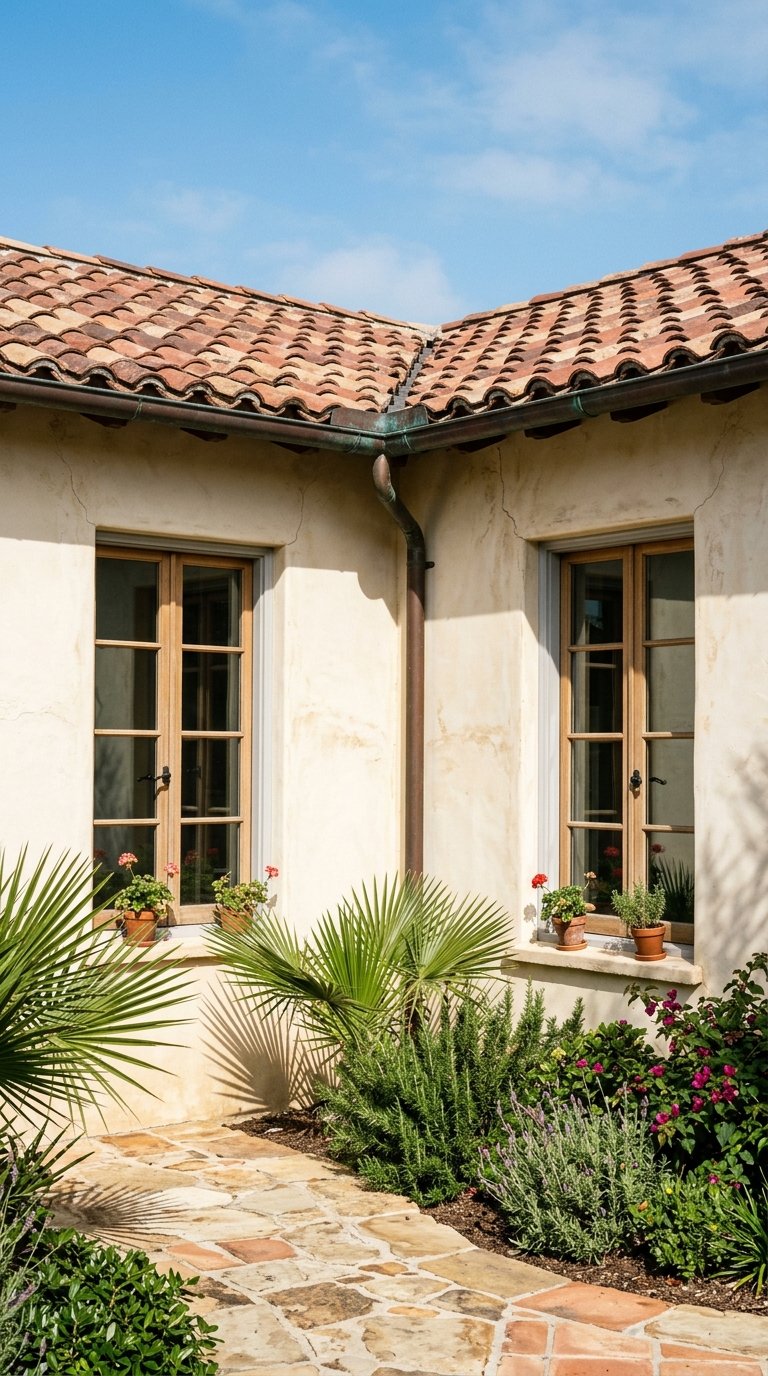
If you are thinking about buying in Old Southeast, you are probably drawn to something very specific: character, location, and a neighborhood feel that is hard to copy. This pocket of St. Petersburg offers a mix of historic charm, bay access, and walkability to downtown, but it also asks buyers to look closely at age, condition, and total ownership costs. If you know what to expect before you make an offer, you can move forward with much more confidence. Let’s dive in.
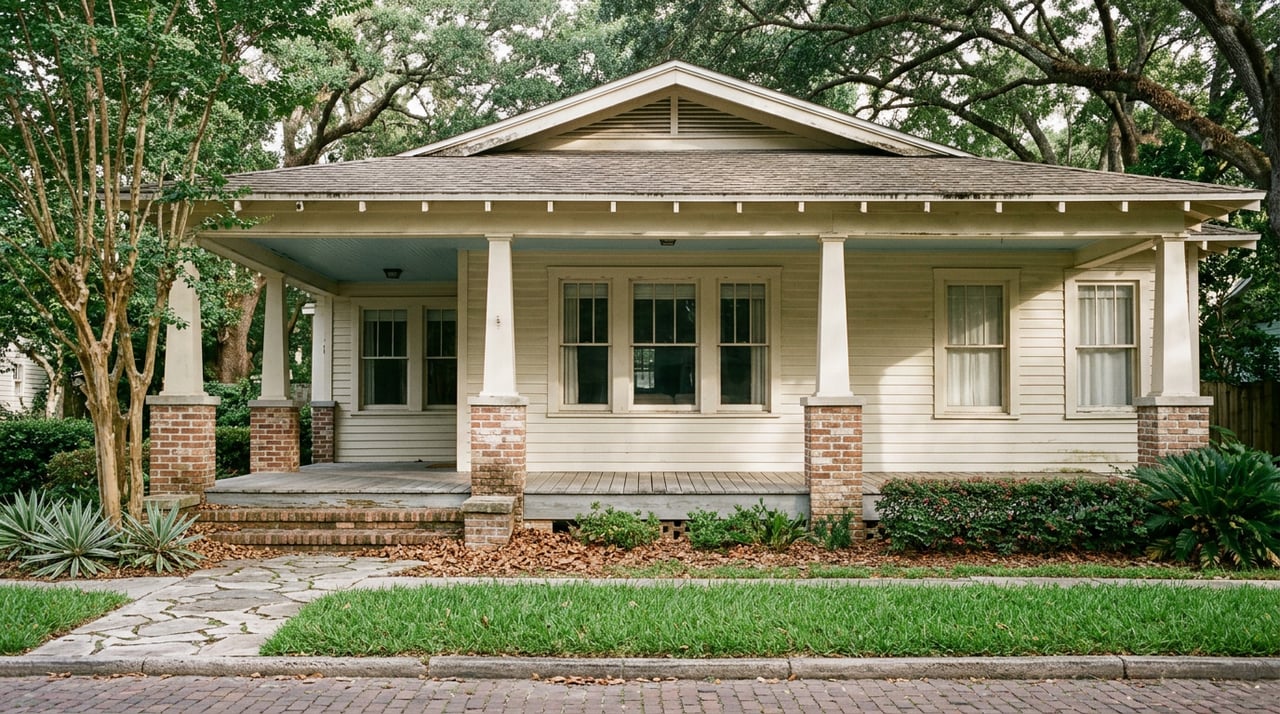
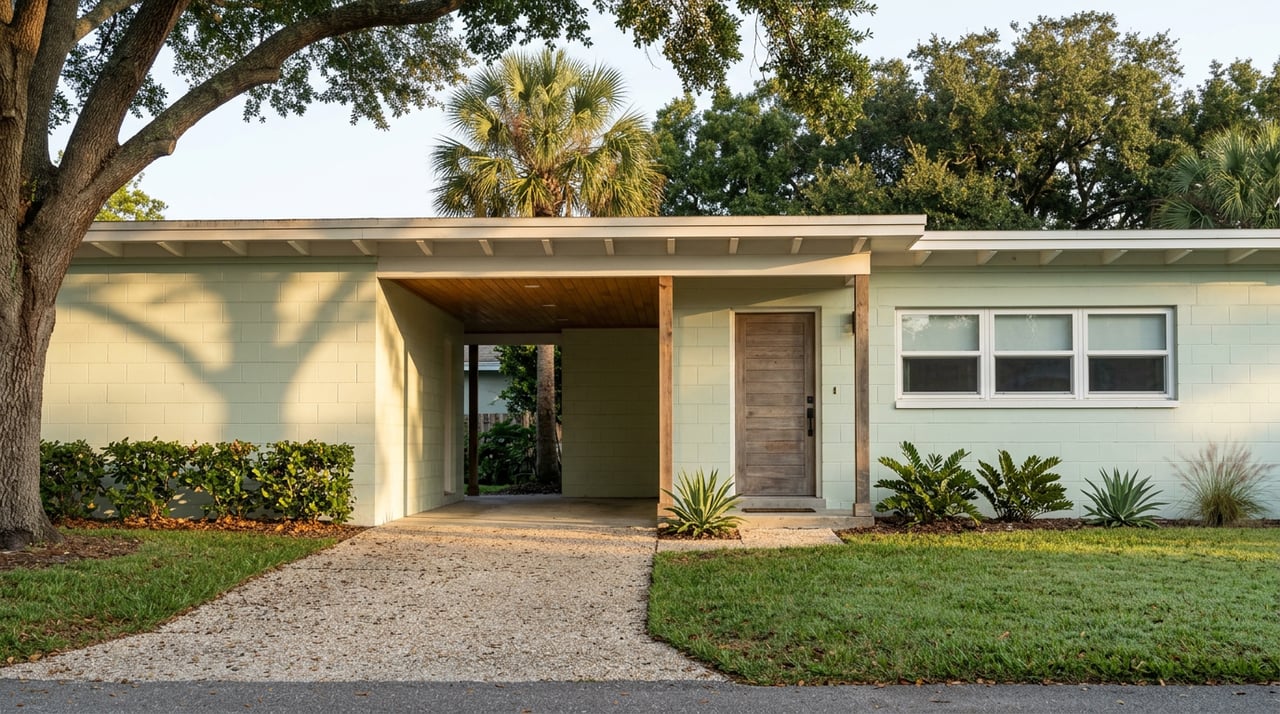
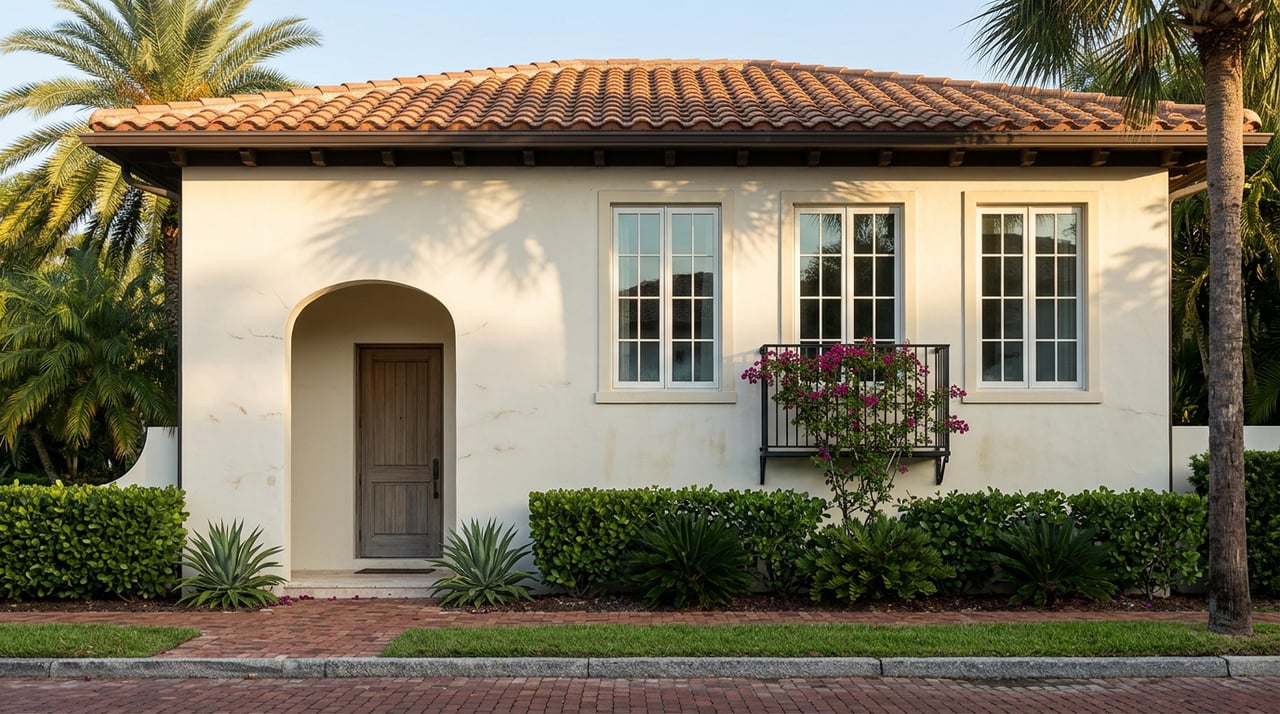
Old Southeast is a small St. Petersburg neighborhood of roughly 500 homes, mostly single-family residences, just south of downtown and along Tampa Bay. Many homes date to the early 20th century, with building periods that peaked from the 1920s through the 1950s. You will also find guest houses, garage apartments, hexagon-block sidewalks, and some original brick paving that give the area a distinct look and feel.
The location is a big part of the appeal. Old Southeast sits near Lassing Park and is less than a 20-minute walk from downtown St. Petersburg. For many buyers, that means you can enjoy a quieter residential setting while staying close to the restaurants, waterfront, and daily convenience of downtown.
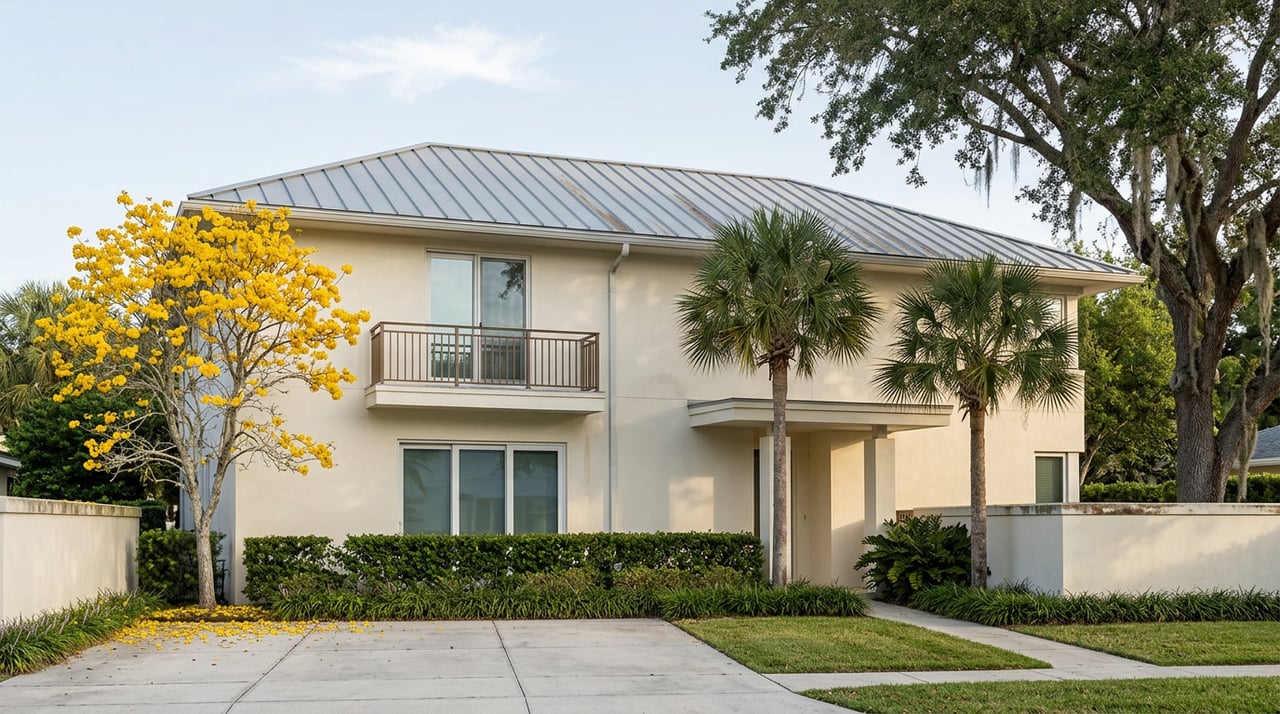
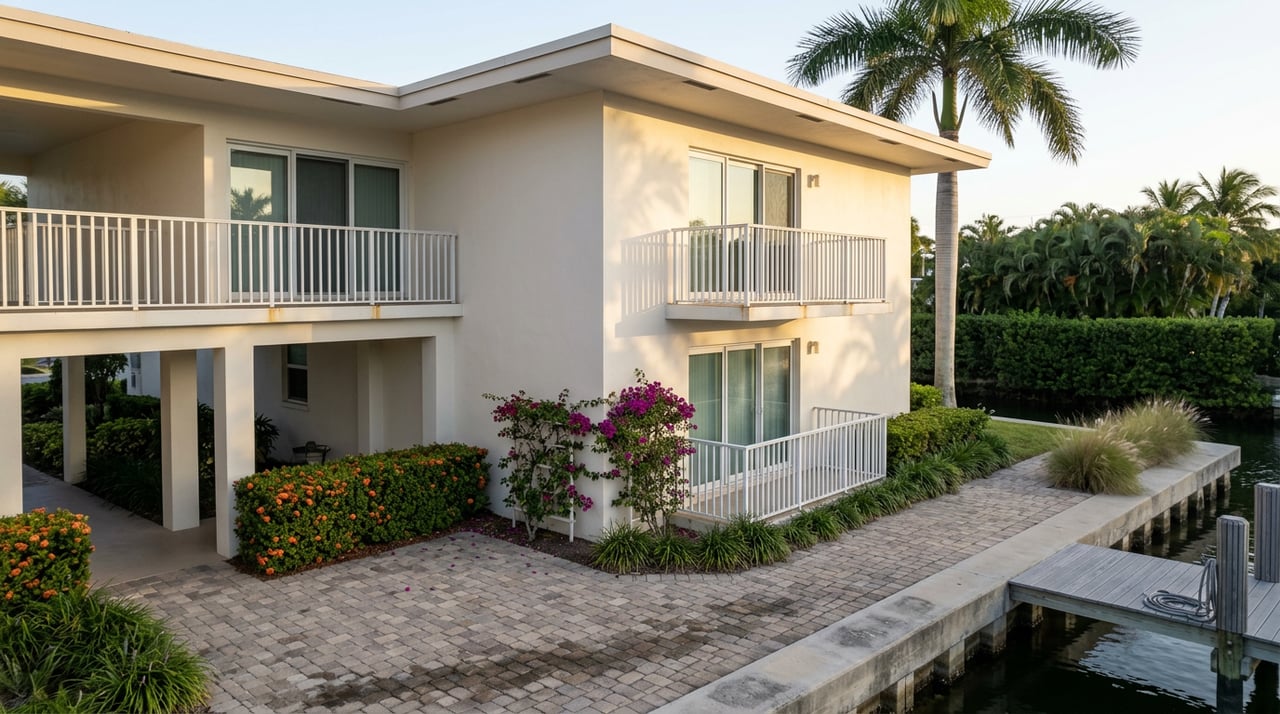
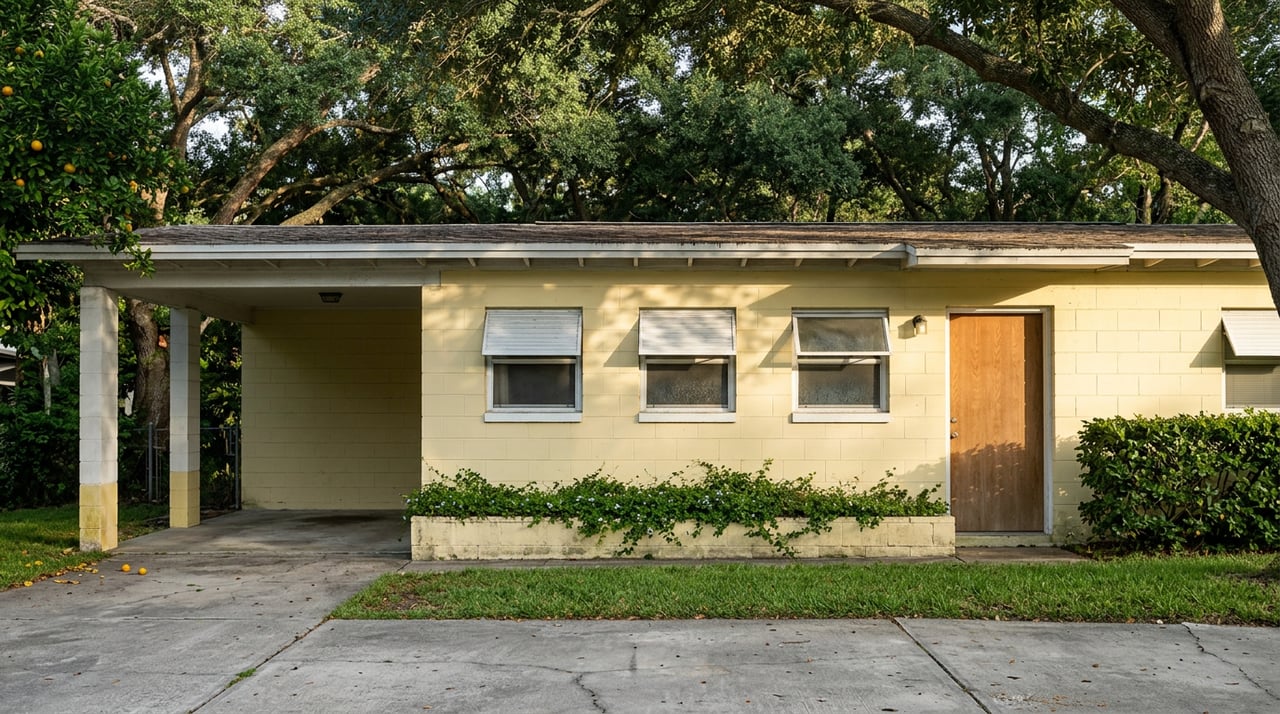
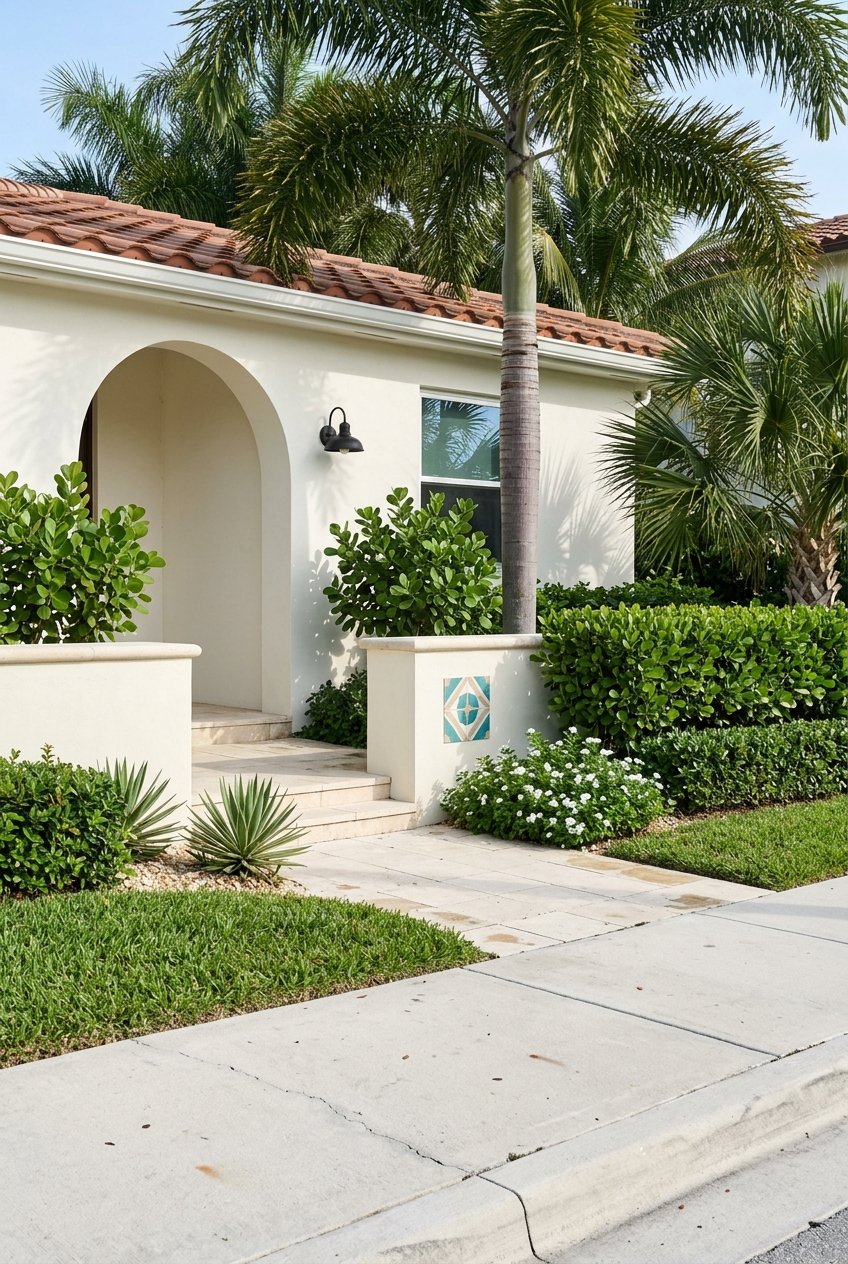
One of the first things to expect in Old Southeast is variety. The neighborhood is officially described as an eclectic mix of historic homes, mid-century homes, and newer builds. In real terms, that means one block can feel very different from the next, and even homes with similar square footage may offer very different value.
That is why buyers here need to look past surface appeal. A renovated kitchen may be attractive, but the bigger questions often involve the roof, plumbing, electrical, HVAC, and the quality of any past updates. In a neighborhood with older homes, true value often comes down to how well the home has been maintained and whether major improvements were done properly.
Old Southeast is not a neighborhood where broad averages tell the whole story. Lot features, street location, flood exposure, and the condition of original systems can change the picture fast. A home near the bay may offer a different ownership experience than one farther inland, even within the same neighborhood boundaries.
This is also why comparable sales require careful interpretation. Buyers should expect pricing to reflect more than just size and bedroom count. Condition, updates, and parcel-specific risk factors matter a lot here.
Old Southeast is generally positioned as a higher-priced St. Petersburg neighborhood, but it usually trades below some of the area’s top premium historic and waterfront submarkets. Listing data from May 2026 showed a median listing price of $830,000. Closed-sale data from the same period showed a median sale price of $799,731, about 39.5 days on market, and a 97.2% sale-to-list ratio.
For context, that places Old Southeast above the citywide St. Petersburg median sale price of $477,714. It also places the neighborhood below nearby higher-priced areas such as Crescent Lake, Historic Old Northeast, Snell Isle, and Downtown St. Petersburg. The practical takeaway is simple: Old Southeast is not an entry-level neighborhood, but it can offer a different price point than some of the city's most expensive nearby options.
When you buy in Old Southeast, the purchase price is just one part of your decision. Your actual monthly cost may also be shaped by insurance, flood requirements, and any repairs or upgrades an older home needs. Two homes with similar asking prices can feel very different once those details come into focus.
That is why buyers should be careful about comparing homes based only on online listing photos or neighborhood averages. In Old Southeast, the better question is often: what am I getting for this price, and what will it cost to own over time?
In any home purchase, inspections are important. In Old Southeast, they are often critical because many homes are older and may have a longer list of systems and materials to review. Buyers should plan to schedule a full independent inspection as early as possible so there is time to evaluate issues and respond before deadlines pass.
Older Florida homes may also trigger insurance-driven inspections. Citizens requires a four-point inspection for certain applications on properties more than 20 years old, and Florida insurers commonly want roof, plumbing, electrical, and HVAC evaluated on older homes. A wind-mitigation inspection may also document features that could qualify for premium discounts.
When you are buying in Old Southeast, these are some of the most common items to investigate:
A beautiful older home can absolutely be a smart purchase, but only if you understand its systems and ongoing needs.
Because Old Southeast is close to Tampa Bay and near Lassing Park, flood review is a major part of due diligence. The neighborhood association notes shoreline loss at Lassing Park tied to storm damage and sea-level rise. That does not mean every home carries the same flood exposure, but it does mean buyers should verify risk carefully.
The most important thing to expect is that flood risk should be reviewed by parcel, not by neighborhood reputation. Pinellas County’s Flood Map Service Center includes FEMA flood zones, evacuation zones, storm surge, and sea-level-rise maps. Florida law also requires a flood disclosure at or before contract execution, and homes in high-risk A or V zones with federally backed mortgages require flood insurance.
Before you get too far into a purchase, make sure you understand:
In a neighborhood like Old Southeast, these answers can shape both affordability and peace of mind.
If the home was built before 1978, treat lead-based paint as a standard topic to address. Buyers have the right to know about known lead-based paint hazards before signing, and they receive a 10-day period to conduct a lead inspection or risk assessment. Since many Old Southeast homes date to the early and mid-20th century, this can be relevant more often than in newer neighborhoods.
Pest review is also important. Florida agriculture authorities note that drywood termites are a common concern and that the roof is a common entry point. In wood-framed homes, especially those with older materials or original finishes, a careful termite inspection can be a very smart step.
A successful Old Southeast purchase usually comes down to timing, preparation, and local context. You should expect to move beyond the basics and look carefully at disclosures, inspection findings, insurance requirements, and how a home compares with others on nearby blocks. This is not a neighborhood where a fast glance tells the whole story.
A strong local buying strategy often includes normalizing comps across blocks, separating cosmetic improvements from true system upgrades, and coordinating inspection and insurance timelines before contingencies expire. That level of guidance can make a real difference when you are comparing homes with very different ages, conditions, and risk profiles.
For many buyers, Old Southeast continues to stand out because it offers something rare in St. Petersburg: architectural variety, established streets, bayfront access, and close proximity to downtown. If you want a neighborhood with personality rather than a one-size-fits-all housing stock, it makes sense that Old Southeast lands on your shortlist.
The key is to buy with clear eyes. If you understand the local pricing range, inspect thoroughly, verify flood and insurance details early, and evaluate each property on its own merits, you will be in a much better position to choose the right home for your lifestyle and budget.
If you are considering a move in Old Southeast and want neighborhood-specific guidance, connect with Nanette Counselman for clear, local insight and hands-on support throughout your search.
Stay up to date on the latest real estate trends.
Looking to buy, sell, or just have a question? I'm always available to help and would love to work with you. Contact me today to start your home searching journey!

NANETTE COUNSELMAN
4293 Pompano Dr SE St. Petersburg FL 33705