When the St Pete Beach Selling Season Works in Your Favor
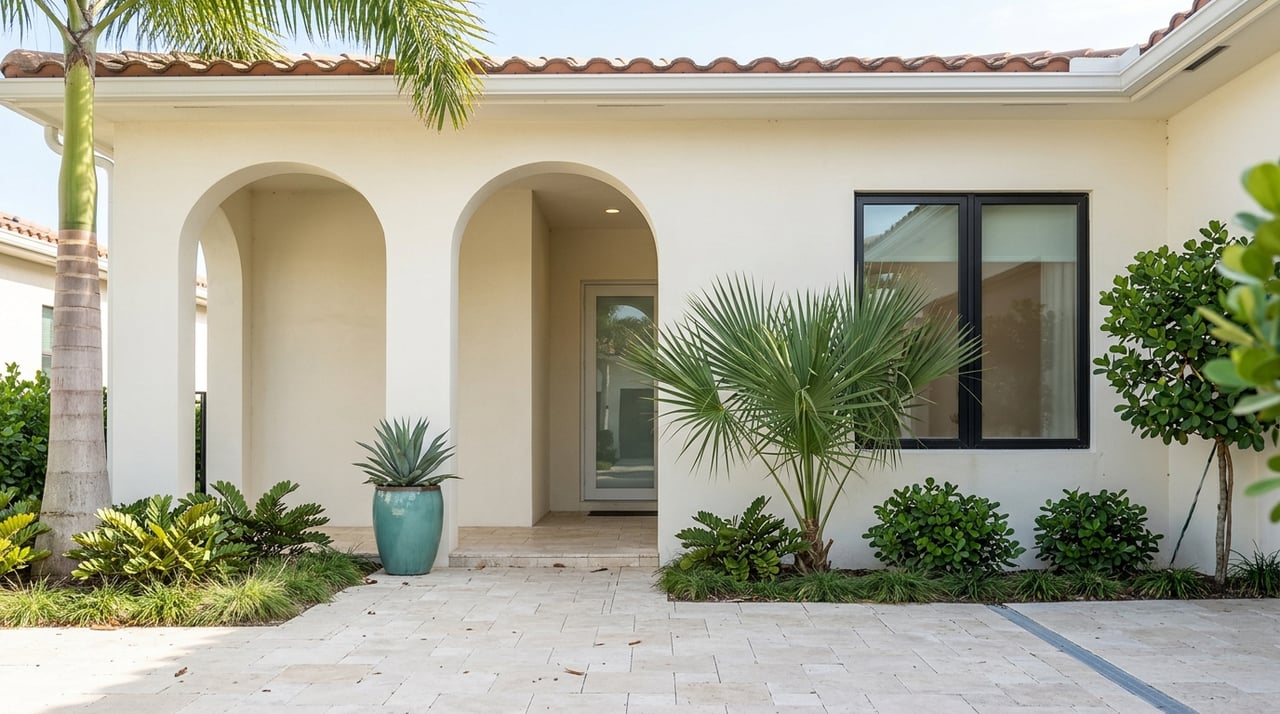
If you are thinking about selling a home in St. Pete Beach, timing can shape how much attention your listing gets. In a coastal market tied closely to visitors, weather, and seasonal travel patterns, the calendar often affects buyer activity as much as the home itself. The good news is that when you understand how seasonal demand works, you can make smarter decisions about when and how to list. Let’s dive in.
St. Pete Beach is not just a residential market. It is also a well-known beach destination with resorts, vacation rentals, waterfront dining, and water activities, which means buyer attention often rises and falls with travel seasons and overall visitor traffic.
That matters because many buyers first experience the area in person before deciding to purchase. Some are local movers, while others may be second-home or relocation buyers who start by visiting, exploring neighborhoods, and getting a feel for the coastal lifestyle.
Late winter through spring appears to be the clearest seasonal advantage for sellers in St. Pete Beach. Visit St. Pete-Clearwater reported that the traditional high season from February through April brought 4.7 million visitors in 2026, and April alone generated more than $11.4 million in Tourist Development Tax collections, the highest monthly total on record.
In simple terms, more visitors can mean more eyes on the area. That does not guarantee a sale, but it can increase the odds that your home reaches buyers who are actively exploring St. Pete Beach and nearby coastal communities.
The weather also helps support this pattern. According to the local visitor FAQ, winter is generally sunny and spring is balmy, which makes it easier for people to tour properties, walk neighborhoods, and spend time comparing options in person.
In a place like St. Pete Beach, buyers do not always move on the same schedule you see in inland markets. Visitor-friendly weather and travel seasons can create a larger pool of casual browsers, future second-home buyers, and relocating households who are doing early research while they are in town.
That means your listing may benefit from being live when more people are already visiting the area. If your home is well-priced and well-presented, seasonal demand can help create a stronger first impression during the period when fresh listings often get the most attention.
Even with seasonal demand, sellers still need a realistic strategy. As of late May 2026, Zillow estimated the average Saint Pete Beach home value at $605,922, down 8.1% year over year, while Realtor.com reported a median listing price near $620,000, about 291 homes for sale, a median 89 days on market, and homes selling for roughly 5.6% below asking on average.
While those sources use different methods, they point in the same direction. St. Pete Beach appears to be a balanced market, which means buyers have options and sellers need to pay close attention to pricing, condition, and presentation.
Seasonality can increase exposure, but it is not a shortcut to top-dollar results. In a balanced market, the homes that stand out are usually the ones that launch with strong listing photos, a polished appearance, and a price that reflects current market conditions.
That is especially important because the first few weeks on the market tend to matter the most. Realtor.com noted in June 2026 research that the first four weeks after a home goes live are often the make-or-break window for sellers.
For you, that means the goal is not just to list in a strong season. The goal is to launch in a strong season with a strategy that helps your home look compelling from day one.
St. Pete Beach-specific monthly sales data can be limited, so county-level patterns help show the bigger picture. In Pinellas County single-family data, closed sales rose from 699 in February 2026 to 974 in March, 983 in April, and 945 in May.
At the same time, median time to contract improved from 92 days in February to 72 days in March, 75 days in April, and 70 days in May. That county trend supports the broader idea that spring tends to bring quicker buyer response than winter.
This does not mean every St. Pete Beach property will follow the exact same timeline. Still, it reinforces a practical point: if you have flexibility, a spring launch may give you a better blend of visibility and momentum.
If you are aiming for a late winter or spring listing, preparation should start early. That gives you time to make small repairs, improve curb appeal, gather market data, and create a clean marketing plan before buyer attention picks up.
A strong spring strategy often includes:
For waterfront, coastal, and lifestyle-driven homes, presentation can be especially important. Buyers are often responding to the full experience of the property, not just square footage or bedroom count.
Not every seller can or should wait for spring. Summer and fall can still be effective times to list, especially if your move is driven by personal timing, estate planning, relocation, or another life change.
The key is to adjust your strategy rather than assume the season will do the work for you. St. Pete Beach’s local visitor information notes that summer is hot with frequent brief thunderstorms, while fall is generally quieter and gradually cooler.
That can affect showing patterns, photography timing, and buyer travel habits. In those months, flexibility matters more, and your marketing may need to work harder to keep your listing visible and easy to tour.
Atlantic hurricane season runs from June 1 through November 30, with activity typically peaking between August and October. For sellers, this does not mean you should automatically avoid the market, but it does mean your listing plan should account for weather disruptions.
A weather-aware listing strategy can include:
This is where experienced local guidance can make a real difference. In a coastal market, preparation and responsiveness help reduce friction when the weather becomes part of the process.
The best time to sell in St. Pete Beach is not exactly the same for every homeowner. If your goal is maximum exposure and you have scheduling flexibility, late winter through spring appears to offer the strongest seasonal advantage based on visitor volume, weather, and broader spring sales activity.
If you need to sell in summer or fall, that does not mean you missed your chance. It simply means pricing, presentation, and launch strategy become even more important.
A useful way to think about it is this: seasonality is an advantage, not a substitute for good execution. The strongest results usually come from pairing the right timing with accurate pricing, thoughtful preparation, and a clear understanding of what buyers are seeing in the current market.
For homeowners in St. Pete Beach, that kind of planning can help turn seasonal demand into real opportunity. If you want local insight on timing, pricing, and how to position your home for today’s market, Nanette Counselman is here to help.
Stay up to date on the latest real estate trends.

Looking to buy, sell, or just have a question? I'm always available to help and would love to work with you. Contact me today to start your home searching journey!

NANETTE COUNSELMAN
4293 Pompano Dr SE St. Petersburg FL 33705