Understanding the Real Snell Isle Cost of Ownership
Love the views and walkable streets of Snell Isle, but unsure what it really costs to own here? You’re not alone. Between insurance, flood risk, pools, and even seawalls, carrying costs can surprise buyers who are new to coastal living. In this guide, you’ll learn what to budget for an interior home versus a waterfront home on Snell Isle, how to get accurate numbers before you offer, and where hidden line items often show up. Let’s dive in.
Pinellas County property taxes are based on assessed value and local millage rates. Bills include county, city, school, and special district line items. Your first step is to pull the current tax bill for the address or ask the seller for a copy. Remember that taxes can change with a new assessed value and future millage adjustments.
Coastal Florida premiums are typically higher than national averages due to wind and hurricane exposure. Policies vary by carrier and by the home’s age, construction, roof type, and opening protection. Start quotes early and compare private carriers with Citizens Property Insurance Corporation, which is the insurer of last resort. Ask agents to explain hurricane deductibles and any separate wind coverage requirements.
Flood insurance is separate from homeowners coverage. If a property sits in a FEMA Special Flood Hazard Area, most lenders will require a flood policy. Premiums depend on elevation relative to the Base Flood Elevation and building details, so request any existing Elevation Certificate and get quotes from both the National Flood Insurance Program and private flood carriers. Even if a home is outside a mapped high-risk zone, it can still face flood exposure and may benefit from coverage.
Many insurers offer credits for documented wind-mitigation features such as impact-rated openings, roof-to-wall connections, roof shape, and secondary water resistance. A wind-mitigation inspection can lower premiums if the home qualifies. Older homes often require a 4-point inspection for underwriting. Ask the seller for any prior mitigation reports to help you shop quotes efficiently.
Air conditioning does heavy lifting in our climate. Expect higher electric use in summer and plan for regular HVAC service. Salt air can accelerate corrosion on condenser coils and other metal components, which may shorten equipment life compared with inland homes. If the home has dehumidifiers or a heated pool, add those to your energy budget.
Snell Isle landscaping often includes palms, salt-tolerant plants, lawns, and automated irrigation. Routine service plus periodic irrigation repairs are common. Waterfront lots can see more plant replacement due to wind and salt spray. Collect recent water bills and any landscape contracts to estimate ongoing costs.
Weekly or biweekly service for cleaning and chemicals is the norm. Pumps, filters, heaters, and automation systems have a limited lifespan. If the pool is saltwater, that can add corrosion considerations for metal parts. Ask for current service invoices and a contractor’s estimate for a multiyear replacement schedule.
Florida has year-round termite and pest pressure. A Wood-Destroying Organism inspection is a smart part of due diligence. Ongoing termite protection plans and periodic re-treatments are common line items, especially in older homes.
Some properties sit within associations or deed-restricted pockets. Check whether there are dues, architectural rules, or pending assessments. Waterfront homes can also be affected by municipal or special district assessments related to stormwater or shoreline infrastructure. Verify with the city and review recorded documents.
Coastal conditions speed up exterior wear. Paint cycles shorten, metals corrode faster, and wood trim can need more frequent repairs. Budget for more frequent exterior maintenance compared with inland properties.
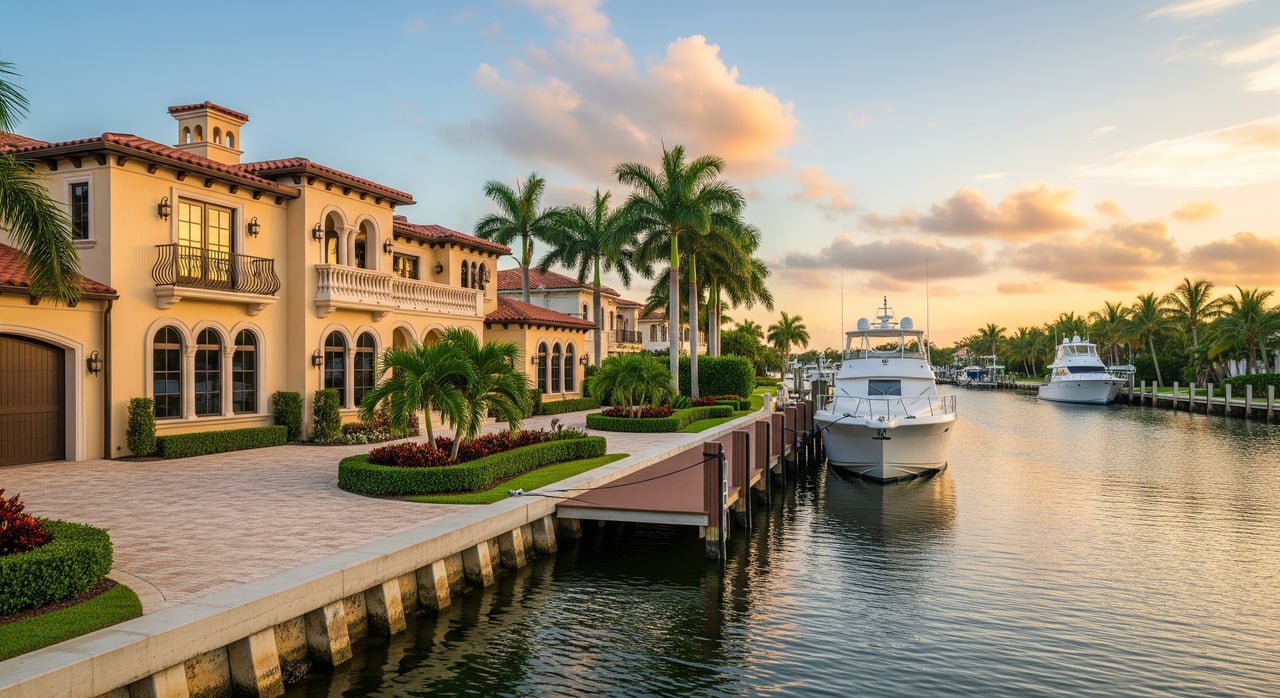
Waterfront living on Snell Isle offers views and boat access, but it also introduces unique costs and risks you should budget from day one.
Many waterfront lots include a seawall and a dock. These structures require periodic inspections and maintenance. Seawall repair or replacement is an occasional but major expense that can run into the tens of thousands of dollars depending on length, materials, and permitting. Docks need hardware, decking, and structural checks over time. Before you offer, obtain a recent seawall and dock inspection and ask about permits and any pending assessments.
Waterfront properties are more likely to fall within FEMA high-risk flood zones and often carry higher flood premiums. Homeowners insurance can also be higher due to wind and storm exposure. Private flood options may be available and sometimes price differently than the NFIP, so compare both using the property’s elevation data.
Salt spray and wind along open water can accelerate paint fading, metal corrosion, and wood deterioration. Plan for more frequent exterior touch-ups, caulking, and component replacement compared with interior lots.
Low elevations and proximity to Tampa Bay increase sensitivity to storm surge and nuisance flooding. Review FEMA flood maps, request any Elevation Certificate, and speak with local floodplain staff so you understand current and future risk before you commit.
Insurance
Maintenance frequency and costs
Episodic capital costs
Lifestyle tradeoff
Collect the current property tax bill, recent electric and water bills, and any invoices for pool, landscaping, pest control, roof, HVAC, and exterior maintenance. If the home is waterfront, request records for seawall and dock work and any permits.
Get preliminary homeowners insurance quotes using the address and construction details. Ask for separate wind and hurricane deductible explanations. Secure flood insurance quotes using an Elevation Certificate if available. Compare private carriers with Citizens Property Insurance Corporation and request wind-mitigation credits where applicable.
Schedule a wind-mitigation inspection and a 4-point for older homes. Order a WDO inspection. For waterfront property, obtain a recent seawall and dock inspection by a licensed marine contractor. Ask for documentation on age, condition, and any prior repairs.
Review the property’s tax history and look for special assessments. Ask the city about any shoreline or stormwater assessments that could affect the parcel.
A simple planning rule is to set aside 1 to 3 percent of the home’s value each year for maintenance. Waterfront homes may need a higher reserve to account for accelerated exterior wear and occasional large costs such as seawalls and docks. Treat this reserve as a non-negotiable part of your budget.
You choose Snell Isle for the waterfront lifestyle, historic charm, and access to St. Petersburg’s amenities. To enjoy it without financial stress, focus on accurate, address-specific numbers. Insurance, flood risk, exterior maintenance, and marine structures can shift your monthly and annual spend far more than a simple mortgage calculator will show. Use the documents and inspections above to build a budget that fits your comfort level, then weigh the benefits of interior convenience versus waterfront access.
If you want a clear, personalized picture of carrying costs for a specific Snell Isle home, let’s talk. With local vendor connections and deep neighborhood knowledge, I can help you gather quotes, interpret inspections, and compare interior and waterfront options with confidence. Reach out to Nanette Counselman to get started.
Stay up to date on the latest real estate trends.


Looking to buy, sell, or just have a question? I'm always available to help and would love to work with you. Contact me today to start your home searching journey!

NANETTE COUNSELMAN
4293 Pompano Dr SE St. Petersburg FL 33705