Coquina Key Waterfront Pricing for Sellers
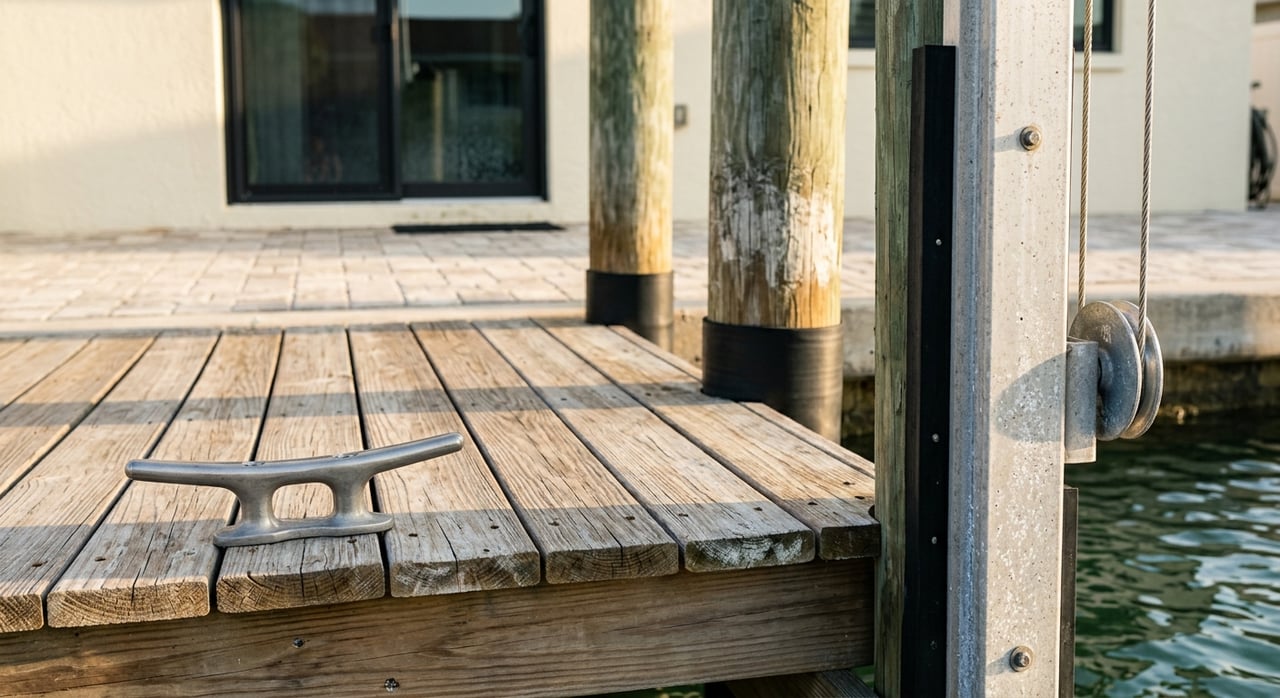
Wondering why one Coquina Key waterfront home can command a modest premium while another reaches well into seven figures? If you are getting ready to sell, that question matters more here than in many other St. Petersburg neighborhoods. Pricing a waterfront home on Coquina Key is not just about square footage or a Zestimate-style estimate. It is about water type, boating access, permits, flood exposure, condition, and buyer perception working together. Let’s dive in.
Broad neighborhood numbers can be helpful, but they do not tell the full story for waterfront property. In March 2026, Realtor.com reported a median listing price around $320,000 in Coquina Key, a 94% sale-to-list ratio, 86 median days on market, and described the area as a buyer’s market.
That data gives you useful context, but it can also be misleading if you apply it too broadly. Waterfront homes and condos on Coquina Key trade across a very wide range, so the right price depends on your specific water exposure, boating setup, and property condition.
The biggest pricing mistake sellers make is treating all waterfront the same. On Coquina Key, buyers clearly pay different amounts based on whether your property has direct usable water access, view-only appeal, or a more limited amenity like a slip.
Recent public sales show a clear pricing ladder. A condo at 4827 Coquina Key Dr SE Unit B sold for $190,000 with a deeded wet slip and 10,000-pound lift. Another unit at 5011 Starfish Dr SE Unit C sold for $234,000 with a deeded boat slip directly in front of the unit and open-water sunset views.
At the same time, an updated corner unit at 215 Seahorse Dr SE Unit D sold for $260,000 with pond and fountain views. Moving up to single-family homes, 3497 Coquina Key Dr SE sold for $675,000 with saltwater canal frontage, 75 feet of frontage, davits, a lift, sailboat water, and a concrete seawall. A waterfront home at 4400 Beach Dr SE sold for $1.15 million with open-water bay and harbor views, a dock, floating dock, davits, and a concrete seawall. A new-construction bay and harbor waterfront home at 4441 Pompano Dr SE sold for $3.25 million with 75 feet of bay and harbor frontage and a concrete seawall.
In simple terms, Coquina Key buyers tend to value waterfront in this order:
That means your price should reflect what kind of waterfront experience a buyer is actually getting, not just the fact that your property touches water.
If your home sits on open water or offers strong boating utility, that usually supports a higher price than a property with a limited or indirect water feature. Buyers are often paying for a lifestyle as much as the lot line.
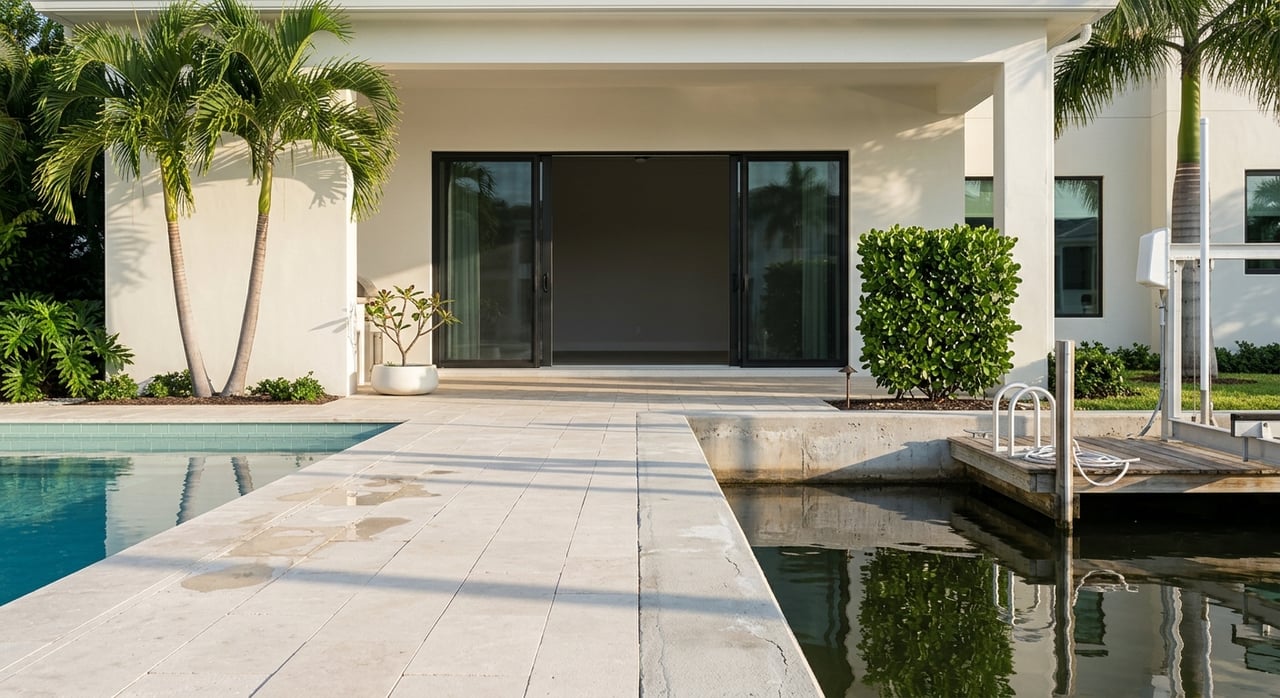
A canal-front property with sailboat water, working lift equipment, and a solid seawall can compete very differently than a home with a nice view but no practical boating use. Likewise, open-water bay or harbor frontage often carries a meaningful premium because the setting and water experience are more dramatic.
Before setting a list price, it helps to answer a few basic questions:
Those details can change pricing far more than many sellers expect.
A dock or boat lift can absolutely add value, but only if the improvement is legal, functional, and usable. In Pinellas County, these are regulated waterfront improvements, not casual add-ons.
The county’s Water and Navigation code states that a person may not construct a dock or other obstruction to navigation without a county permit. The county also states that permits are required for private single-family docks, seawalls, riprap, tie poles, and dredging or filling in county waters.
For pricing, this matters in a very practical way. If you have a permitted dock, usable lift, adequate water depth, and a seawall in solid condition, buyers may see real value there. If paperwork is unclear, the lift is unpermitted, or the seawall appears near the end of its life, buyers may push back on price or ask for credits.
Gathering marine documentation early can strengthen your pricing strategy and reduce surprises during negotiations. Focus on:
If a buyer believes they are taking on repair or regulatory risk, they will usually price that risk into their offer.
On Coquina Key, buyers are not just pricing the water. They are also pricing how much work has already been done to protect and maintain the property.
The home at 4400 Beach Dr SE was marketed with impact windows, a newer metal roof, hurricane strapping, a hurricane-rated garage door, and a covered lanai. The canal-front home at 3497 Coquina Key Dr SE highlighted updated windows, shutters, solar, and its seawall-plus-lift setup.
These examples suggest that storm resilience and update level can support stronger pricing, especially on waterfront property where buyers may be extra sensitive to future maintenance costs. A beautifully located home that still needs major exterior, structural, or storm-related work may not command the same premium as a similar home that feels move-in ready.
While every home is different, buyers often respond positively to features such as:
These do not replace good comp analysis, but they can help explain why one waterfront home should be priced above another.
Flood risk is not a side issue for waterfront sellers in Pinellas County. It is part of the pricing conversation from the start.
Pinellas County states that everyone in the county is in a flood zone. The county also explains that flood zones, evacuation zones, and storm surge are different tools, and that Zones V, VE, A, and AE are Special Flood Hazard Areas with more than a 1% annual chance of flooding. For buyers using federally backed mortgages in high-risk zones, flood insurance is required.
Flood insurance is separate from homeowners insurance, and rates can be affected by factors like elevation and building construction. That means two homes with similar views may create very different monthly carrying costs for a buyer.
If your home has an elevation certificate, prior map-amendment history, or insurance information that helps clarify risk and cost, that can help support your pricing. Buyers tend to feel more confident when they can understand the full ownership picture.
Before listing, review:
This preparation does not just help with disclosures and buyer questions. It can also help you avoid overpricing a home whose carrying costs may narrow the buyer pool.
Online estimates can be a starting point, but they are not reliable enough for a Coquina Key waterfront pricing decision. Waterfront value here is too sensitive to frontage type, view, permits, condition, and insurance factors.
A broad neighborhood median in the low $300,000s does not explain the difference between a slip-linked condo around $190,000 and a bayfront new-construction sale at $3.25 million. Even among properties that seem similar on paper, price can shift sharply based on boating utility, open-water exposure, and how turnkey the home feels.
For a more accurate list price, compare your home to recent sales with similar:
The tighter the match, the more useful the pricing conclusion.
Many sellers still anchor to peak-market expectations, but current conditions on Coquina Key call for realism. Realtor.com’s March 2026 snapshot described the neighborhood as a buyer’s market, with 86 median days on market and a 94% sale-to-list ratio.
That does not mean waterfront homes cannot sell well. It means buyers may have more room to compare options, question condition, and negotiate when pricing feels unsupported.
If you list too high, your home may sit while buyers watch for price reductions. If you price from the start with a clear story around water access, documentation, condition, and flood-related costs, you are more likely to attract serious attention and stronger offers.
Before you choose a list price for a waterfront home on Coquina Key, make sure you have reviewed the essentials:
When you know how buyers will evaluate each of these points, you can price with more confidence and fewer surprises.
If you are thinking about selling a waterfront property on Coquina Key, the right price starts with a local, property-specific review, not a broad average. For tailored guidance on your home’s waterfront position, condition, and likely buyer response, connect with Nanette Counselman.
Stay up to date on the latest real estate trends.
Looking to buy, sell, or just have a question? I'm always available to help and would love to work with you. Contact me today to start your home searching journey!

NANETTE COUNSELMAN
4293 Pompano Dr SE St. Petersburg FL 33705