Car-Light Coastal Living In St. Pete Beach
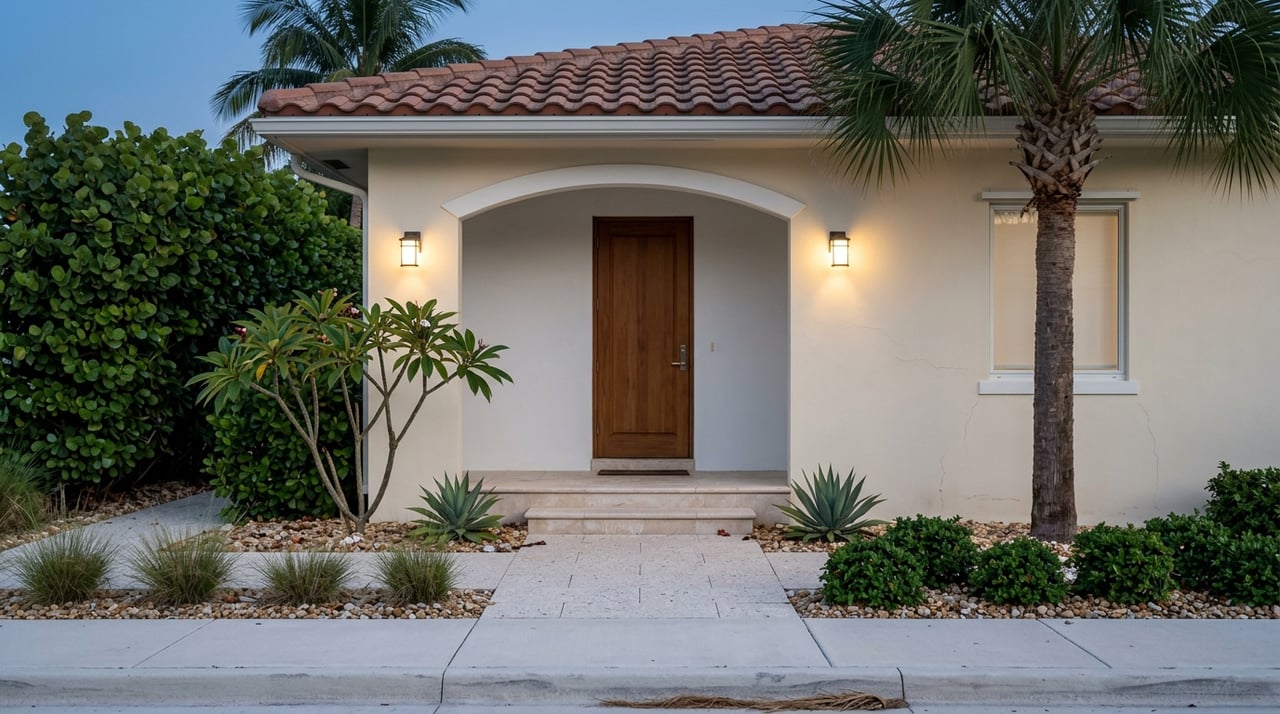
Dreaming about beach living without needing to drive for every small errand? In St. Pete Beach, that idea is possible, but it helps to see it clearly. This is a place where you can simplify daily life with walking, shuttles, trolley rides, and bikes, while still expecting the occasional car trip. If you are exploring a move, a second home, or a lifestyle change, here is what car-light coastal living in St. Pete Beach really looks like. Let’s dive in.
St. Pete Beach is best described as car-light, not fully car-free. City transportation resources and local transit options support a routine with fewer car trips, but the city also notes that the area was built around cars and has not fully caught up with walking and biking needs.
That distinction matters if you are choosing a home based on lifestyle. You may be able to walk to coffee, dinner, beach access, or a small market run in the right area, but you will likely still mix in shuttle rides, trolley trips, and occasional driving.
If you want the clearest example of a walkable beach setting, Pass-a-Grille is the standout. Local tourism and historic district information describe it as a quiet area with a small downtown, scenic dune walkways, quaint streets, restaurants, small inns, eclectic shops, and historic cottages.
That low-rise, small-scale layout supports the lifestyle many buyers picture when they say they want to live near the beach. Instead of a tower-heavy setting, you get a more intimate beach-town feel that makes short walks feel practical and enjoyable.
The Corey Avenue area is another important part of the car-light story. The city’s district planning for Corey Avenue specifically aims for a more pedestrian-friendly downtown environment, which aligns well with buyers who want to combine errands, dining, and downtime in one area.
A great example is the Corey Ave Sunday Fresh Market. It runs weekly and brings together fresh produce, baked goods, and other goods from around 100 vendors, giving you a place where shopping and leisure naturally overlap.
One of the biggest lifestyle perks in St. Pete Beach is Freebee, the city-run, door-to-door on-demand electric shuttle. Residents can register to ride free, and the service area covers the entire city from Pass-a-Grille to the Blind Pass bridge.
Its hours, from 6 a.m. to midnight, make it useful for more than just occasional outings. Depending on where you live, it can help with restaurant trips, local errands, and getting around town without dealing with parking every time.
For trips beyond the immediate beach area, the PSTA SunRunner adds meaningful reach. It connects downtown St. Petersburg, Pasadena, and St. Pete Beach, with dedicated lanes, about 35-minute end-to-end service, 15-minute peak frequency, and bike racks.
That gives you an option for commuting, day trips, or meeting friends off the beach without automatically getting in the car. For many buyers, that kind of connection makes St. Pete Beach feel more practical year-round.
The Suncoast Beach Trolley links St. Pete Beach with Clearwater Beach and other communities along the Gulf Boulevard beach corridor. If your routine includes visiting nearby beach areas, this can reduce the need to drive for every outing.
The market event information for Corey Avenue also notes access by SunRunner, Beach Trolley, and Freebee. That is a useful snapshot of how local transportation options can work together in real life.
Micromobility can be part of a car-light lifestyle here, but there are important limits. City rules say these devices may be used in marked bike lanes, shared-use paths, and on streets posted at 25 miles per hour or less.
They are not allowed on sidewalks or the beach. That means your route matters, and it is smart to think about safety and convenience before assuming a bike or scooter can cover every trip.
For longer recreational rides, Pinellas County’s Fred Marquis Pinellas Trail offers a 65-mile regional corridor. While that is more of a broader county amenity than a neighborhood errand route, it adds to the area’s appeal if you enjoy active transportation.
A realistic look at car-light living in St. Pete Beach has to include Gulf Boulevard. The city’s Gulf Boulevard Safety Study says this roadway has the most vehicle accidents and pedestrian fatalities in the city.
The study also explains that infrastructure has not fully kept pace with the shift toward walking and biking. Planned and evaluated improvements include buffered or protected bike lanes, medians, mid-block crossings, and lower speed limits.
Even in a place where you can do more without driving, parking has not stopped being part of daily life. City transportation resources show that parking management remains important, and local visitor information notes that weekend parking in Pass-a-Grille can be tougher than weekday parking.
That does not cancel out the lifestyle appeal. It simply means the best fit is often for someone who is happy to blend walking with a few different transportation options rather than expecting a fully car-free setup.
Car-light coastal living tends to work best if you value convenience, flexibility, and a more relaxed daily rhythm. You may be a strong fit if you like the idea of walking to dinner, using a shuttle for local trips, and keeping a car for selective use rather than daily dependence.
This lifestyle can also appeal to second-home buyers and relocators who want a beach setting with some practical transportation support. If your goal is to live close to activity without feeling tied to constant driving, St. Pete Beach offers a meaningful middle ground.
Current market trackers place St. Pete Beach generally in the low-to-mid $600,000s. Zillow’s home value index is $605,922, Redfin’s median sale price is $604,638, and Realtor.com reports a median listing price of $620,000.
Those same sources describe the market as balanced or not very competitive, with homes taking roughly 83 to 89 days to sell or go pending. For buyers, that can mean a little more time to compare options and think carefully about which location best supports the lifestyle you want.
Not every home in St. Pete Beach will feel equally car-light in practice. The daily experience can vary based on how close you are to walkable corridors, local dining, market areas, shuttle coverage, and transit connections.
That is why neighborhood-level guidance matters so much. A home that looks great on paper may feel very different once you think through how you would actually get to coffee, groceries, dinner, or downtown St. Petersburg.
If this lifestyle appeals to you, it helps to evaluate homes with your routine in mind. Instead of asking only whether a property is near the water, ask how it supports the way you want to live day to day.
Here are a few smart questions to keep in mind:
Those questions can help you separate a general beach address from a truly convenient coastal routine.
Buying in a coastal market is about more than price or square footage. In St. Pete Beach, it is also about understanding the difference between a home that is near the beach and a home that supports the rhythm you actually want.
That kind of local insight is especially helpful if you are relocating, buying a second home, or comparing several barrier island options. A neighborhood-first approach can help you focus on properties that fit both your budget and your lifestyle goals.
If you are thinking about buying or selling in St. Pete Beach and want practical, local guidance on where a car-light lifestyle works best, connect with Nanette Counselman. She can help you match the right property to the way you want to live.
Stay up to date on the latest real estate trends.

Looking to buy, sell, or just have a question? I'm always available to help and would love to work with you. Contact me today to start your home searching journey!

NANETTE COUNSELMAN
4293 Pompano Dr SE St. Petersburg FL 33705